
What Can I Put In A Dumpster, And What Items Are Not Allowed In Jacksonville?: Permitted items for disposal in Jacksonville dumpsters and prohibited materials
In assisting you with your inquiries regarding the acceptable and prohibited items for our dumpster rental service in Jacksonville, we at Coast to Coast Disposal Jacksonville, FL are dedicated to providing comprehensive guidance and ensuring compliance with the regulations set forth. Our commitment to helping you navigate through the complexities of disposing of various materials appropriately is unwavering.
Accepted Items
When utilizing our dumpster rental services in Jacksonville, you can conveniently dispose of:
- Household debris
- Construction waste
- Appliances and electronics
Prohibited Items
It is crucial to note the items that are not permitted in our dumpsters, including:
- Hazardous chemicals
- Biomedical waste
- Flammable materials
Coast to Coast Disposal Jacksonville, FL 4540 Southside Blvd Bldg #902 Suite, Jacksonville, FL 32216, United States,+19048160104
For more information – Click Here
Understanding Waste Disposal Regulations in Jacksonville, FL
When it comes to disposing of waste in Jacksonville, there are specific guidelines to follow to ensure compliance with local regulations. Understanding what items are permissible for disposal and those that are prohibited is crucial to maintaining a clean and safe environment.
- One of the key considerations when disposing of waste is to be mindful of potentially hazardous materials.
- It’s essential to separate items that can be recycled from those that need special handling.
- Disposing of electronic waste requires adherence to specific protocols to prevent environmental contamination.
Additionally, being aware of the different categories of waste can help streamline the disposal process and minimize the impact on the environment. Proper segregation of waste types ensures that recyclable materials are diverted from landfills, reducing overall waste generation.
- When in doubt about a particular item, it is advisable to consult with local waste management authorities for guidance.
- Regularly educating yourself on waste disposal best practices can contribute to a more sustainable and eco-friendly community.
Items Allowed in Coast to Coast Disposal Dumpsters
When it comes to the items that are permissible for disposal in Coast to Coast Dumpsters, it is important to be aware of the guidelines to ensure compliance and safety. Here is a comprehensive list of acceptable items:
- Household items such as furniture, appliances, and electronics
- Construction materials including wood, drywall, and concrete
- Yard waste like branches, leaves, and grass clippings
It is crucial to note that certain items are not allowed in the dumpsters due to safety and environmental concerns. These forbidden items include:
- Hazardous waste such as paints, solvents, and pesticides
- Flammable materials like propane tanks and gasoline
- Medical waste including needles and biohazardous substances
By adhering to these regulations, you not only contribute to a cleaner environment but also promote the well-being of the community. Remember, responsible disposal of items is key to maintaining a sustainable and safe waste management system.
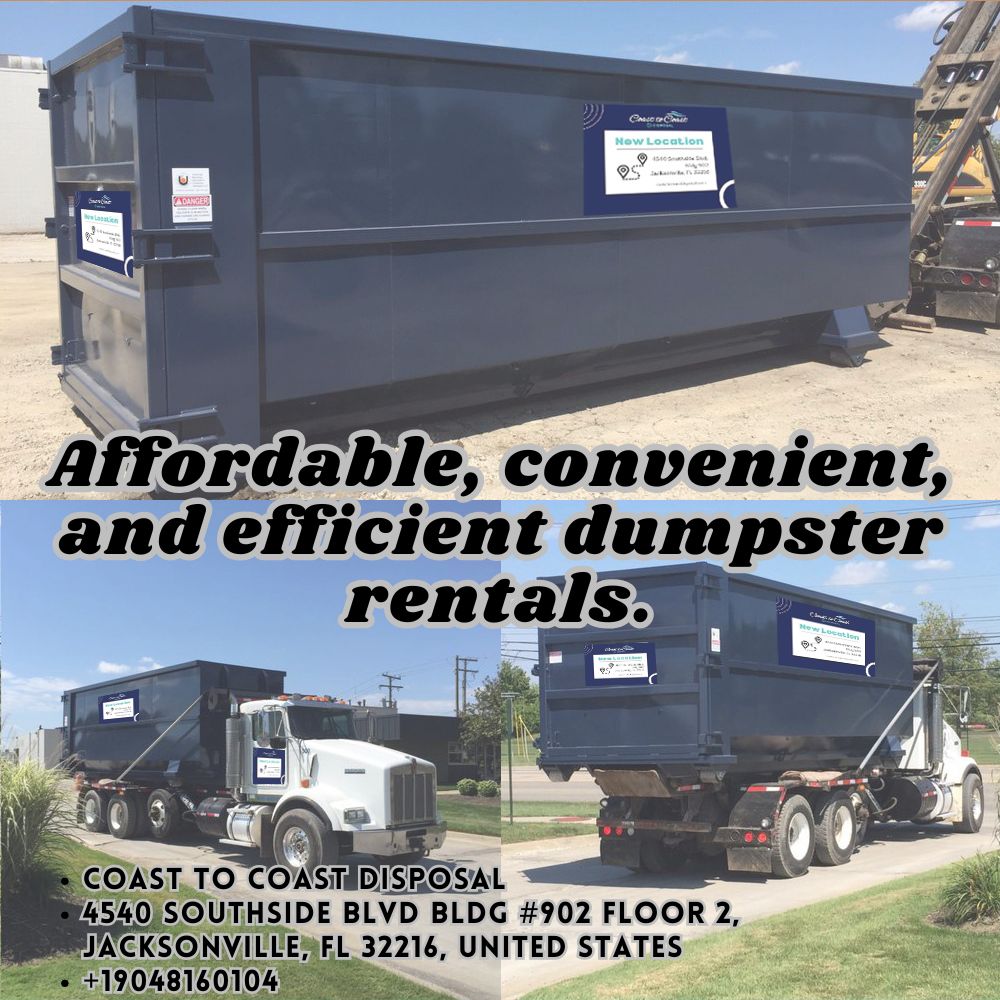
Understanding Jacksonville Waste Disposal Regulations
When considering waste disposal in Jacksonville, it is crucial to adhere to the guidelines set forth by local authorities. Proper waste management not only ensures a cleaner environment but also helps in maintaining the overall aesthetic appeal of the city. Here are some important insights to keep in mind:
- Dispose of refuse in designated containers to streamline the collection process.
- Separate recyclable materials like glass, plastic, and paper to promote sustainability.
- Check for any restrictions on bulky items such as furniture or appliances before disposal.
Jacksonville’s waste management regulations aim to minimize environmental impact and promote responsible practices. By following these guidelines, residents can contribute to a greener and healthier community. It is essential to stay informed about the latest updates and changes in waste disposal policies to ensure compliance and avoid penalties.
| Pros | Cons |
|---|---|
| Efficient waste collection | Potential fines for improper disposal |
| Promotes recycling efforts | Restrictions on certain items |
- Regularly check the Jacksonville waste management website for any new guidelines.
- Engage in community cleanup events to contribute to a cleaner environment.
Items Prohibited in Coast to Coast Dumpsters:
1. Hazardous materials, such as asbestos, lead-based paint, and mercury-containing items, are strictly prohibited from disposal in Coast to Coast Dumpsters.2. Electronic waste, including old computers, printers, and televisions, should not be disposed of in the dumpsters due to the presence of harmful chemicals like lead and mercury.3. Flammable liquids and gases, like propane tanks, gasoline, and oil-based paints, pose a significant risk and should never be placed in the dumpster.
Expert Tips for Responsible Waste Disposal:
- Consider donating usable items to local charities or thrift stores instead of throwing them away.
- Separate recyclable materials, such as paper, plastics, and metals, to reduce the amount of waste going to landfills.
- Consult with your local waste management facility for proper disposal options for items like batteries, tires, and appliances.
Benefits and Drawbacks of Proper Waste Disposal:
| Pros | Cons |
|---|---|
| Protects the environment and public health. | May require additional time and effort to properly dispose of certain items. |
| Supports recycling and sustainable waste management practices. | Some disposal methods for hazardous materials can be costly. |
| Reduces the amount of waste sent to landfills, promoting a cleaner community. | Improper disposal of hazardous items can lead to fines or penalties. |
Proper Disposal Practices for Jacksonville Residents
When it comes to disposing of waste in Jacksonville, it is crucial to follow proper guidelines to ensure environmental safety and compliance with local regulations. Here are some insightful tips to help residents navigate the process effectively:
- Separate recyclable materials from general waste to promote sustainable practices.
- Utilize designated recycling centers for items such as paper, plastics, and glass.
- Avoid mixing hazardous substances with regular trash to prevent contamination.
Residents should be aware of the various categories of waste that are prohibited from disposal in dumpsters or regular trash bins. These items include:
- Electronic waste, also known as e-waste, such as old computers and televisions.
- Construction debris like concrete, bricks, and other heavy materials.
- Household chemicals and cleaning agents that can be harmful to the environment.
By adhering to these disposal practices, Jacksonville residents can contribute to a cleaner and safer community for all. Remember that proper waste management is not only a legal obligation but also a moral responsibility to protect our environment for future generations.

