
What Size Dumpster Do I Need For My Home Renovation Project In Orlando, And How Do I Choose Between 10, 20, And 30 Yard Options?: Determining the appropriate dumpster size for a home revamp in Orlando, FL, involves selecting from options like 10, 20, and 30 cubic yards based on the project’s scope and debris volume
At Coast to Coast Disposal in Orlando, FL, we understand the importance of selecting the appropriate container for your upcoming property revamp. Our team is dedicated to assisting you in determining the ideal receptacle size for your diverse renovation requirements. Whether you are embarking on a minor home refresh or a large-scale property overhaul, we offer a range of options to cater to your distinctive needs. With our comprehensive knowledge of waste management solutions, we can guide you through the process of choosing between various yard dimensions, ensuring that your project runs smoothly and efficiently.
Factors to Consider When Selecting a Dumpster Size for Home Renovation in Orlando
When deliberating on the ideal dumpster size for your home renovation endeavor in Orlando, there are several key factors to take into account:
- The scope and scale of your renovation project
- The types of materials being disposed of
- Your property’s available space for dumpster placement
- The duration of your renovation project
By evaluating these factors in conjunction with our expert guidance at Coast to Coast Disposal, you can confidently choose the most suitable dumpster size to streamline your renovation process.
Coast to Coast Disposal 500 N Maitland Ave, Maitland, FL 32751, United States, +14077907290
For more information – Click Here
Differences Between 10, 20, and 30 Yard Dumpsters
When embarking on a home renovation project, selecting the right dumpster size is crucial for efficient waste management. Understanding the disparities between 10, 20, and 30-yard dumpsters can aid in making an informed decision for your specific needs.
- Capacity:
- 10-yard: Approximately 4 pickup truck loads.
- 20-yard: Roughly 8 pickup truck loads.
- 30-yard: About 12 pickup truck loads.
- Space Requirements:
- A 10-yard dumpster is suitable for small-scale projects with limited space.
- The 20-yard option provides a balance of capacity and maneuverability.
- A 30-yard dumpster is ideal for extensive renovations with ample space for waste disposal.
- Weight Limitations:
- 10-yard dumpsters have lower weight limits compared to the 20 and 30-yard options.
- 20 and 30-yard dumpsters can accommodate heavier materials due to their larger size.
- Cost Considerations:
- 10-yard dumpsters are generally more affordable but may require multiple trips for larger projects.
- 20 and 30-yard dumpsters have higher upfront costs but can be more cost-effective for extensive renovations.
Calculating Your Renovation Waste Volume
When embarking on a home renovation project, understanding the amount of waste generated is crucial for selecting the appropriate dumpster size. Here are some insightful tips to help you calculate your renovation waste volume:
- Estimate the total area to be renovated in square feet to determine the volume of construction debris expected.
- Consider the type of materials being removed, such as drywall, flooring, or fixtures, as they vary in density and affect the overall waste volume.
- Use a waste volume calculator to input the dimensions of your renovation space and get a more accurate estimate of the debris quantity.
Here are some expert tips to optimize your waste volume calculation process:
- Separate recyclable materials from general waste to reduce the volume of debris requiring disposal.
- Consult with a waste management professional to assess your specific renovation waste needs and recommend the most suitable dumpster size.
By analyzing your renovation waste volume meticulously, you can ensure efficient waste management and select the right dumpster size for your project.
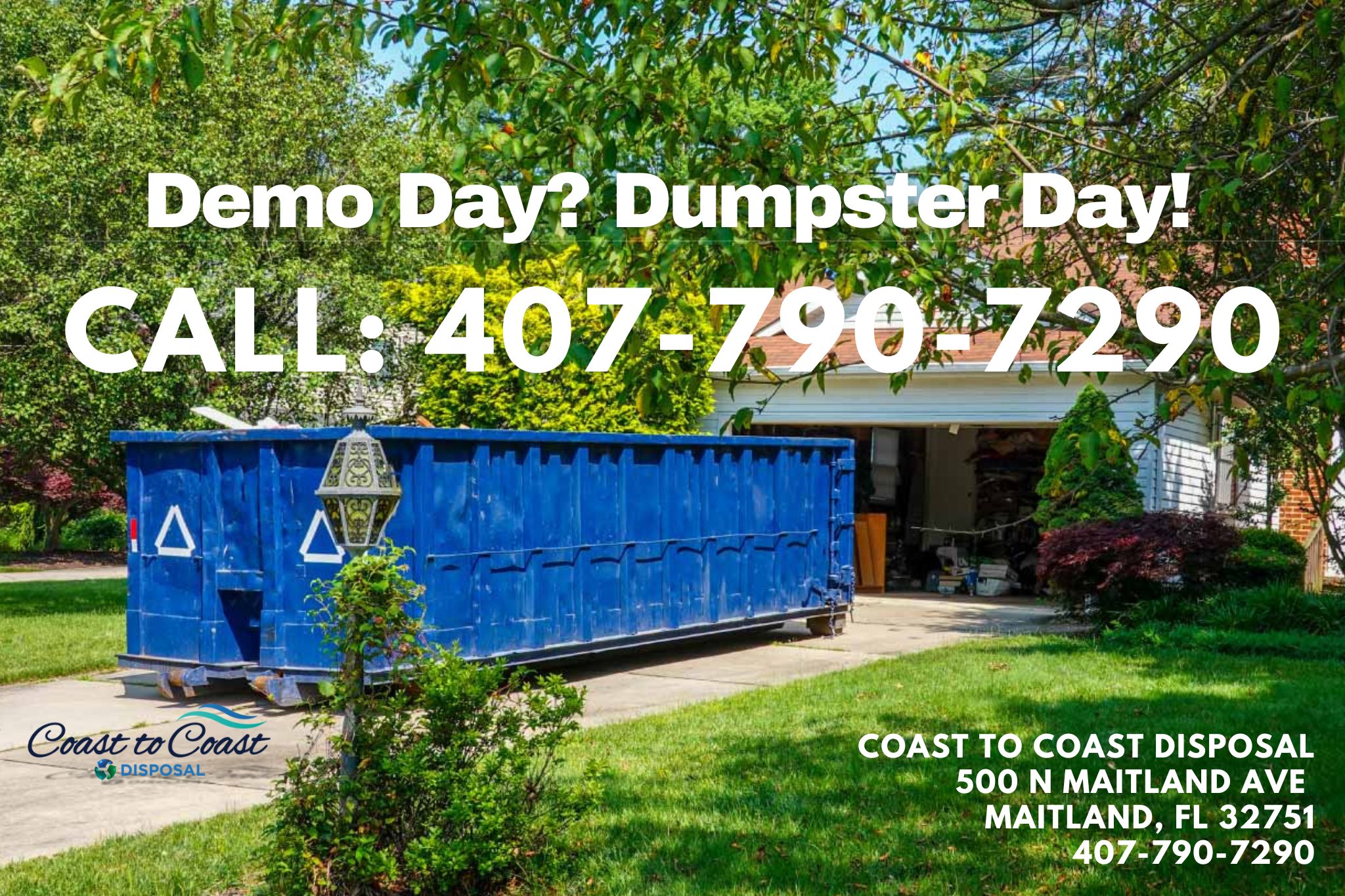
Factors to Consider When Choosing a Dumpster Size
When embarking on a renovation project, selecting the right dumpster size is crucial for efficient waste management. Various factors must be taken into account to ensure the dumpster chosen can accommodate the volume of debris generated while not being excessively large. Here are some key considerations:
- Scope of the Project: The size of the renovation project directly correlates to the amount of waste produced. Larger projects, such as whole-house renovations, typically require a larger dumpster to handle the debris adequately.
- Space Constraints: Evaluate the available space on your property for the dumpster placement. Opt for a size that fits comfortably within the designated area without obstructing the work or posing safety hazards.
- Weight Restrictions: Different dumpster sizes come with weight limits to prevent overloading. Consider the types of materials being disposed of and ensure the chosen size can accommodate the weight restrictions.
Moreover, it’s essential to factor in the frequency of waste removal and transportation costs associated with larger dumpsters. While a larger dumpster may offer convenience in terms of fewer pickups, it can also lead to higher costs. On the other hand, choosing a smaller dumpster may necessitate more frequent pickups but could be a more cost-effective solution, especially for shorter projects.
By carefully assessing these factors and striking a balance between size, cost, and efficiency, you can select the most suitable dumpster size for your home renovation project, ultimately streamlining the waste disposal process.
Benefits of Renting the Right Size Dumpster
Renting a dumpster that suits the scope of your home renovation project is crucial to ensure efficiency and cost-effectiveness. Choosing the appropriate container size can streamline waste management and enhance the overall project experience.
- Proper Waste Disposal: Selecting the right size dumpster allows for efficient disposal of construction debris, old appliances, furniture, and other materials, minimizing the risk of overfilling or exceeding weight limits.
- Space Optimization: Opting for a dumpster that matches the volume of waste generated enables you to maximize space on your property and avoid the need for multiple trips to dispose of trash.
- Cost Efficiency: By renting a dumpster that aligns with your project’s requirements, you can avoid paying for unnecessary capacity, ultimately saving on rental fees and disposal costs.
Expert Tips for Choosing the Right Dumpster Size:
- Estimate the Project Scope: Assess the amount and type of debris you anticipate generating to determine the appropriate dumpster size.
- Consult with Providers: Seek guidance from waste management professionals to ensure you select the most suitable container for your specific needs.
- Consider Future Needs: Anticipate any additional waste that may arise during the project to avoid potential delays or extra expenses.
Efficient Waste Management Tips for Home Renovation
During a home renovation project, proper waste management is crucial to ensure a smooth and tidy process. Here are some expert tips to help you efficiently handle waste disposal:
- Separate materials: Sort the waste into categories like recyclables, reusable items, and general waste to facilitate proper disposal.
- Donate or sell usable items: Consider donating or selling items that are in good condition instead of discarding them, reducing waste and benefiting others.
- Reuse materials: Explore creative ways to reuse materials from your renovation, minimizing the need for new resources.
When choosing a dumpster size for your renovation project, consider the amount and type of waste you will generate. Opting for a slightly larger size can prevent the need for multiple trips for disposal, saving time and effort.
Here are some considerations for selecting the right dumpster size:
| Dumpster Size | Capacity | Ideal for |
|---|---|---|
| 10 Yards | ~3 pickup trucks worth | Small renovations or cleanouts |
| 20 Yards | ~6 pickup trucks worth | Medium-sized projects |
| 30 Yards | ~9 pickup trucks worth | Large-scale renovations |
- Plan ahead: Estimate the volume of waste you will generate to choose the most suitable dumpster size.
- Opt for environmentally-friendly disposal methods: Consider recycling and proper disposal of hazardous materials to minimize environmental impact.
- Consult waste management professionals: Seek advice from experts to ensure compliance with local regulations and efficient waste disposal practices.

