
How Do I Calculate The Right Dumpster Size For Roof Replacement Or Construction Debris In Central Florida?: Determine the appropriate dumpster size for disposing of debris from roofing projects or construction work in Central Florida
If you are embarking on a roofing project in Orlando, FL and are in need of assistance determining the most suitable dumpster size for debris removal, Coast to Coast Disposal is here to help you make the right choice. Our team of experts can guide you in selecting the optimal dumpster size for your roof replacement or construction debris disposal needs in Central Florida.
Factors to Consider When Choosing a Dumpster Size for Roofing Projects in Orlando, FL
When deciding on the ideal dumpster size for your roofing project in Orlando, FL, it is crucial to take various factors into account to ensure efficient waste disposal. Some key considerations include:
- The size and scope of your roofing project
- The type and volume of debris expected
- Local regulations and permit requirements for dumpster placement
- Your budget and timeline constraints
By evaluating these factors carefully, you can determine the most appropriate dumpster size that meets your specific needs and facilitates a smooth debris removal process in Orlando, FL.
Coast to Coast Disposal 500 N Maitland Ave, Maitland, FL 32751, United States, +14077907290
For more information – Click Here
Estimating the Correct Dumpster Dimensions for Construction Waste in Central Florida
When embarking on a construction project in Central Florida, determining the appropriate dumpster size is crucial for efficient waste management. Selecting the right dimensions ensures that debris can be disposed of safely and cost-effectively. Here are some expert insights to help you estimate the correct dumpster size:
- Consider the scope of your project and the types of materials involved. A large-scale construction site will require a bigger dumpster compared to a residential roof replacement.
- Factor in the weight of the debris. Heavy materials such as concrete or asphalt will fill up a dumpster more quickly than lighter materials like wood or drywall.
- Think about the duration of the project. If it will span several weeks, you may need a larger dumpster or multiple hauls to accommodate the accumulated waste.
Additionally, keep in mind the local regulations in Central Florida regarding waste disposal. Some materials may require special handling or separate disposal methods, impacting the size and type of dumpster you need.
Here are some pros and cons of different dumpster sizes commonly used for construction waste:
| Dumpster Size | Pros | Cons |
|---|---|---|
| 10 cubic yards | Compact, suitable for small projects | May not be sufficient for large-scale construction |
| 20 cubic yards | Versatile, fits medium-sized projects | Requires more space for placement |
| 30 cubic yards | Spacious, ideal for extensive construction | Higher cost and may exceed needs of smaller projects |
By carefully evaluating these factors and considering the specific requirements of your construction project, you can confidently choose the right dumpster size for efficient waste management in Central Florida.
Choosing the Right Roll-Off Container for Your Roof Replacement Debris
When undertaking a roofing project, selecting the appropriate roll-off container for your debris disposal is crucial. Ensuring you have the right size and type of container will streamline the cleanup process and help you manage waste effectively. Here are some key considerations to keep in mind:
Size Matters
- Opt for a container that is slightly larger than your estimated debris volume to accommodate unexpected waste.
- Consider the dimensions of the container to ensure it fits in your designated space without causing obstructions.
- Smaller containers may necessitate multiple trips for disposal, while larger ones could be excessive for your needs.
Container Types
- Choose between open-top and lidded containers based on the type of debris you will be disposing of.
- Open-top containers are convenient for quick loading of bulky items, while lidded containers provide added security and prevent debris from scattering.
Weight Restrictions
- Be mindful of weight limits imposed by the container rental company to avoid overloading and potential extra charges.
- Consider the density of your debris to estimate the total weight accurately.
By carefully assessing your debris disposal needs and factoring in these considerations, you can select the most suitable roll-off container for your roof replacement project, ensuring a smooth and efficient cleanup process.
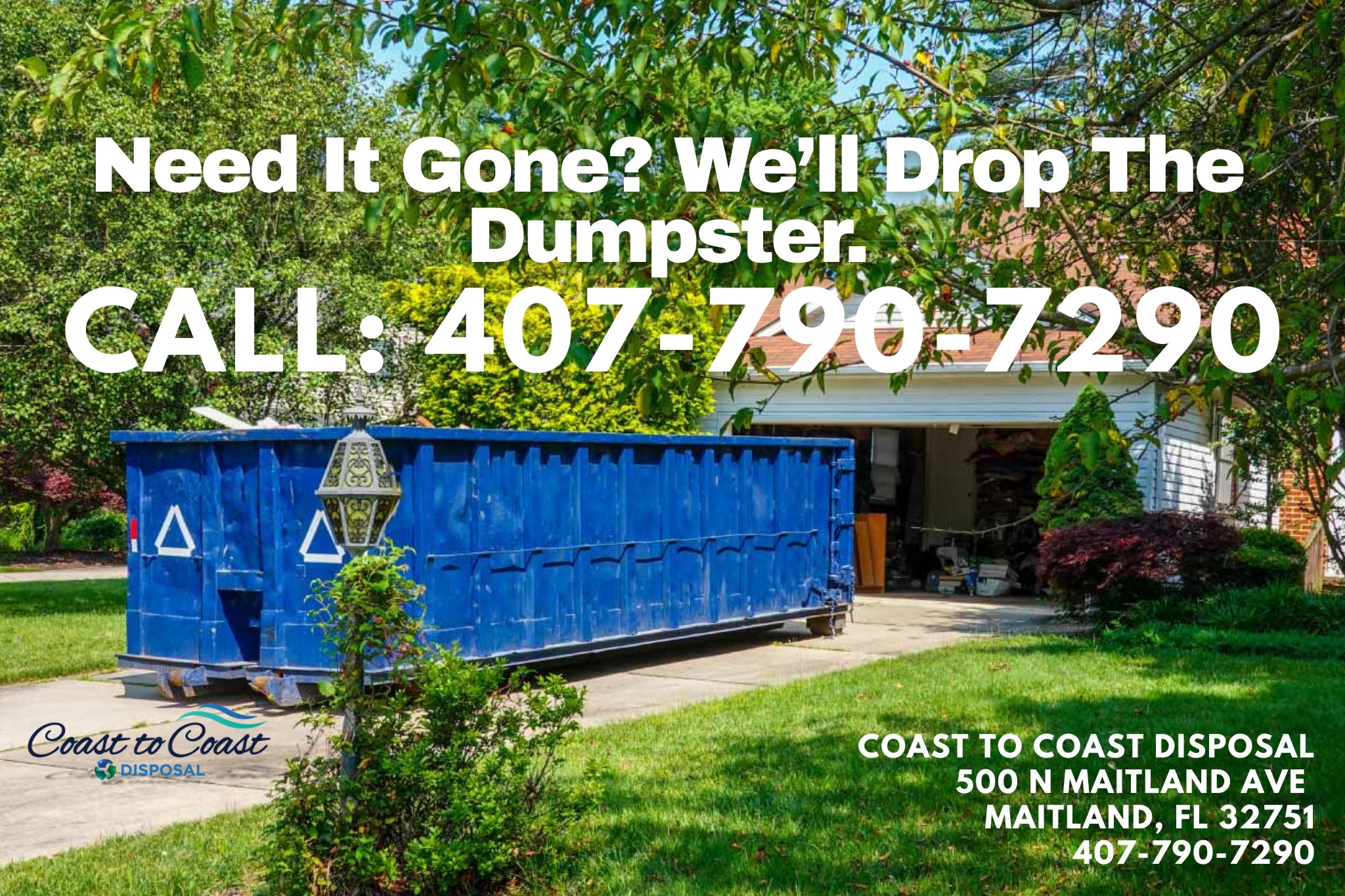
Sizing Guidelines for Construction Dumpster Rentals in Orlando, FL
When embarking on a construction project in Orlando, FL, selecting the right dumpster size is crucial for efficient waste management. Below are insightful tips to help you determine the appropriate dumpster size for your specific needs.
- Consider the scope of your project, including the type of debris you will be disposing of and the estimated volume.
- Take into account the duration of your project to ensure the dumpster size can accommodate the waste generated over the entire timeline.
- Factor in any space constraints on your property that may limit the size of the dumpster that can be placed.
Having a dumpster that is too small can lead to overflow and additional costs, while a dumpster that is too large may waste space and budget. Finding the right balance is essential for cost-effective waste removal.
Before making a decision, compare the dimensions and capacities of different dumpster sizes offered by rental companies in Orlando. This will help you visualize the volume of waste each size can hold and choose accordingly.
- 10-Yard Dumpster: Ideal for small projects such as garage cleanouts or yard debris removal.
- 20-Yard Dumpster: Suitable for medium-sized projects like kitchen renovations or flooring replacements.
- 30-Yard Dumpster: Recommended for larger projects including roof replacements or whole-home renovations.
By carefully assessing your project needs and considering these sizing guidelines, you can optimize waste disposal efficiency and ensure a seamless construction process in Orlando, FL.
Expert Tips for Calculating the Ideal Bin Size for Demolition Waste
When embarking on a demolition project in Central Florida, determining the right bin size for your debris is crucial. Here are some expert tips to help you make an informed decision:
- Consider the Scope of the Project:
- Assess the size and scale of your demolition project comprehensively.
- Factor in the types of materials that will be generated, including heavy debris like concrete or roofing materials.
- Anticipate any additional waste that may result from the demolition process.
- Evaluate Space Constraints:
- Measure the available space on your property for placing the bin.
- Ensure that the chosen bin size fits within the designated area without causing obstructions.
- Consider any logistical challenges that may affect the placement of the bin, such as overhead wires or tree branches.
- Optimize Cost-Efficiency:
- Choose a bin size that aligns with the volume of waste generated to avoid unnecessary expenses.
- Compare pricing options from different waste management companies to find the most cost-effective solution.
- Consult with experts in the field to determine the optimal balance between cost and capacity.
Expert Tips for Roofing and Construction Debris Disposal in Orlando, FL
When tackling a roofing or construction project in Orlando, FL, proper debris disposal is crucial for a smooth and efficient process. Here are some expert tips to help you handle the waste responsibly:
- Separate Materials: Sort your debris into categories such as wood, shingles, metal, and insulation to make disposal and recycling easier.
- Recycling Opportunities: Look for local facilities that accept construction debris for recycling to minimize waste and reduce environmental impact.
- Donate Reusable Items: Consider donating gently used materials like tiles or fixtures to local charities or community centers instead of disposing of them.
When estimating the dumpster size needed for your project, consider factors such as the size of your roof, the type of materials being removed, and the expected volume of debris. It’s better to overestimate slightly than to run out of space mid-project.
For smaller roofing projects, a 10-yard dumpster may suffice, while larger construction jobs may require a 20-yard or 30-yard dumpster. Be sure to check with local regulations regarding dumpster placement and permits before delivery.
Proper disposal of roofing and construction debris not only keeps your work area safe and organized but also contributes to a cleaner environment for the Orlando community. By following these expert tips, you can efficiently manage waste and contribute to sustainable construction practices.

