
What Are Orlando’S Regulations For Dumpster Placement?: Rules on where dumpsters can be put in Orlando are important to follow
If you are seeking assistance with guidelines regarding the placement of dumpsters in Orlando, look no further than Coast to Coast Disposal in Orlando, FL. Our team is well-equipped to address all your requirements related to dumpster placement regulations in the area.
Dumpster Placement Guidelines in Orlando, FL
When it comes to placing dumpsters in Orlando, FL, it is crucial to adhere to specific guidelines to ensure compliance with local regulations. Here are some key points to keep in mind:
- Location: Dumpster placement should be on a flat, stable surface to prevent tipping or rolling.
- Accessibility: Ensure that the dumpster is easily accessible to waste management trucks for efficient collection.
- Distance: Maintain a safe distance between the dumpster and surrounding structures to prevent obstruction and allow for proper servicing.
Additionally, it is essential to consider the size and type of materials being disposed of when determining the appropriate placement of dumpsters. By following these guidelines, you can contribute to a cleaner and safer environment in Orlando, FL.
Coast to Coast Disposal 500 N Maitland Ave, Maitland, FL 32751, United States, +14077907290
For more information – Click Here
Zoning Regulations for Dumpster Placement in Orlando
When it comes to placing dumpsters in Orlando, understanding the intricate fabric of zoning regulations is paramount. Compliance with these rules ensures seamless waste management operations. Here are some valuable insights:
- Location Restrictions:
- Orlando’s zoning laws delineate specific areas where dumpsters can and cannot be placed.
- Commercial districts often have stricter guidelines compared to residential zones.
- Proximity to sensitive sites like schools or healthcare facilities is a crucial factor.
- Size and Capacity Considerations:
- Regulations govern the dimensions and capacity of dumpsters based on the designated zone.
- Large-scale construction sites may necessitate oversized containers with special permits.
- Regular monitoring of fill levels is essential to prevent overflow violations.
- Visual Impact and Aesthetics:
- Orlando places emphasis on ensuring dumpsters blend harmoniously with the surrounding environment.
- Screening requirements such as fencing or landscaping may be mandatory in certain areas.
- Regular maintenance and cleaning schedules contribute to a visually appealing streetscape.
Permits Required for Dumpster Placement in Orlando
When considering the placement of dumpsters in Orlando, it is essential to be aware of the necessary permits and regulations to ensure compliance with local laws. Here is an insightful overview of the permit requirements and regulations:
- Orlando Dumpster Permit: Obtaining a permit from the City of Orlando is mandatory before placing a dumpster on any property within city limits.
- Duration of Permit: Dumpster placement permits typically have a specified timeframe during which the dumpster can remain on the property. It is crucial to adhere to this timeframe to avoid any penalties.
- Permit Application Process: The process of applying for a dumpster permit involves submitting specific documentation and information to the relevant authorities for approval.
Additionally, it is important to consider the location of the dumpster concerning property boundaries and public spaces. Violating these placement regulations can lead to fines and other consequences.
By understanding and following the permit requirements for dumpster placement in Orlando, property owners can ensure compliance with local regulations and contribute to a cleaner and safer environment for the community.
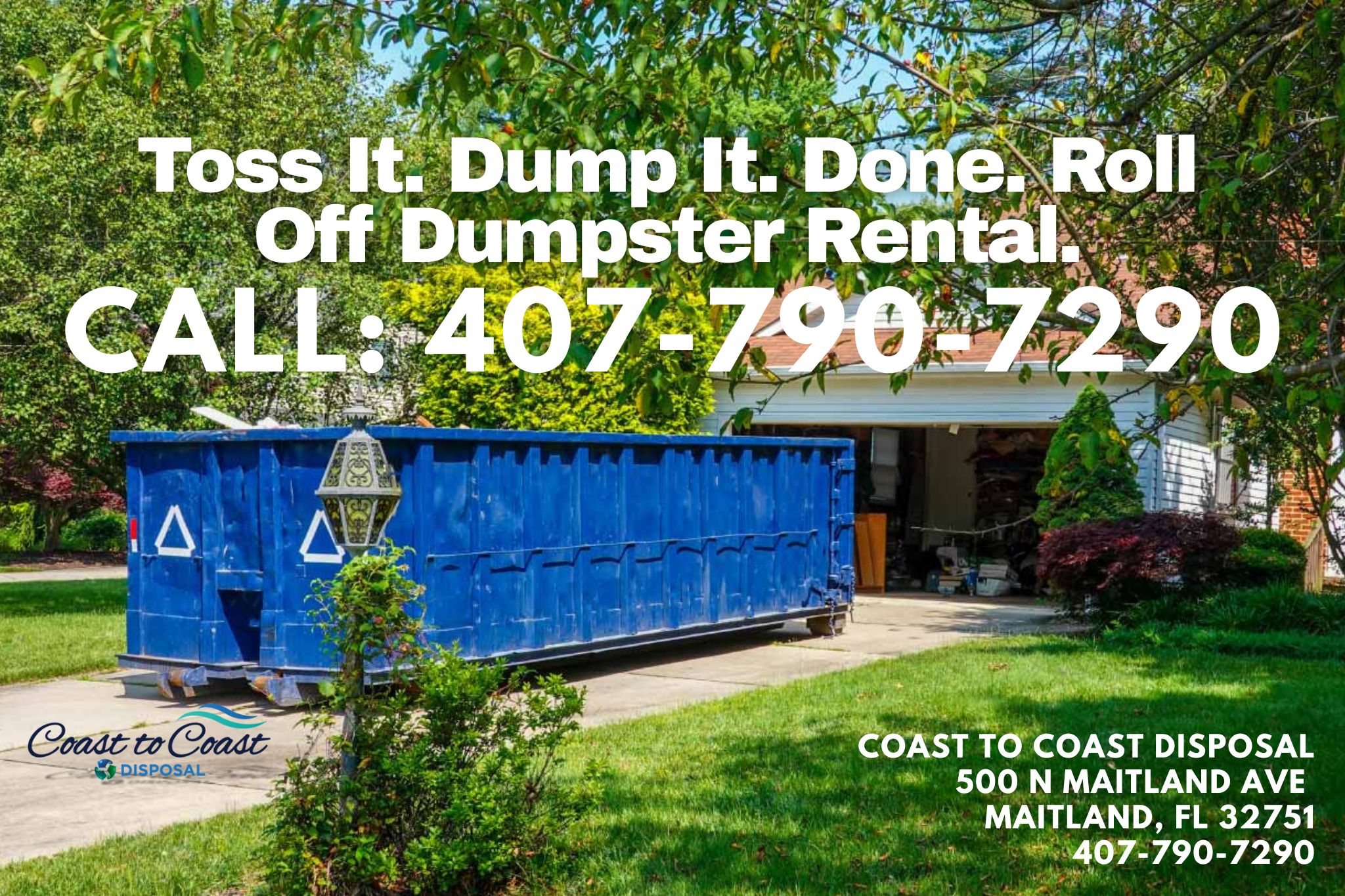
Insights on Limitations Regarding Dumpster Capacities in Orlando, FL
Orlando, FL, imposes strict guidelines on the dimensions of dumpsters placed within its vicinity, aiming to uphold aesthetic appeal and maintain environmental integrity. When considering the size limitations for dumpsters in this region, it is crucial to abide by the following regulations:
- Ensure the dumpster’s capacity does not exceed the specified limit determined by municipal authorities.
- Take into account the footprint of the dumpster, as it should align with designated placement areas to prevent obstruction.
- Consider the height of the dumpster to avoid potential hazards such as overhead clearance issues or visual obstructions.
Adhering to these restrictions not only fosters a harmonious coexistence within the community but also promotes efficient waste management practices. By evaluating the pros and cons of different dumpster sizes permitted in Orlando, FL, individuals can make informed decisions tailored to their specific needs.
- Expert Tip: Opting for a slightly smaller dumpster than anticipated can prevent unnecessary clutter and optimize space utilization.
- Quantitative Measurement: The maximum allowable capacity for dumpsters in residential areas is typically around 20 cubic yards, ensuring a balance between functionality and visual appeal.
Insights into Proper Placement of Dumpsters in Orlando
When considering the strategic positioning of dumpsters in residential areas of Orlando, it is crucial to adhere to the locality’s guidelines to prevent potential infringements. Here are some noteworthy points to keep in mind:
- Optimal Placement Distance: Maintain a reasonable distance of at least 5 feet between the dumpster and any structure to ensure ease of access and safety.
- Landscaping Considerations: Avoid obstructing the dumpster with overhanging tree branches or foliage that could impede collection services.
Moreover, it is essential to place the dumpster on a stable and level surface to prevent any tipping or spillage, which could lead to environmental hazards. By ensuring proper placement, residents can contribute to a cleaner and more organized community environment.
Commercial Dumpster Placement Regulations in Orlando
In the bustling city of Orlando, businesses must adhere to strict guidelines when it comes to the placement of commercial dumpsters. These regulations, set forth by the local authorities, aim to maintain cleanliness and orderliness in the urban landscape. Here are some key points to consider:
- Placement Distance: Ensure that dumpsters are located at least 5 feet away from buildings to prevent fire hazards and allow for proper ventilation.
- Accessibility: Position dumpsters in a way that allows easy access for waste collection trucks while not obstructing pedestrian pathways or emergency exits.
Furthermore, businesses must be mindful of the aesthetic aspect of dumpster placement. Concealing dumpsters behind fences or decorative enclosures can improve the visual appeal of the area and prevent unsightly views.
- Capacity Limitations: It is crucial to not exceed the maximum capacity of the dumpster to avoid overflow and potential fines for improper waste disposal.
- Regular Maintenance: Regularly inspect dumpsters for leaks, damages, or signs of pests to ensure a hygienic environment and compliance with health regulations.
To streamline waste management processes, some businesses opt for compactors or recycling containers in addition to traditional dumpsters. This eco-friendly approach not only reduces waste volume but also demonstrates corporate social responsibility.

