
What’S The Best Dumpster Size For A Roof Tear-Off Project?: The ideal container size for removing roofing material during a renovation in Jacksonville, FL
We at Coast to Coast Disposal in Jacksonville, FL are here to assist you with all your needs for finding the most suitable dumpster size for your roof tear-off project. Our team of experts can guide you through the process and help you choose the optimal container size for your specific requirements.
Optimal Dumpster Sizes for Roof Tear-Off Projects
When embarking on a roof tear-off project, selecting the right dumpster size is crucial for ensuring a smooth and efficient waste removal process. Here are some recommendations to help you determine the ideal container size:
- Consider the size of your roof: Larger roofs will generate more waste, requiring a bigger dumpster.
- Assess the scope of the project: If you’re doing a complete roof replacement, you may need a larger container.
- Think about the types of materials: Different roofing materials can vary in weight and volume, affecting the dumpster size needed.
By taking these factors into account and consulting with our team at Coast to Coast Disposal, you can accurately choose the best dumpster size for your roof tear-off project. Whether you need a small container for a minor repair or a large one for a full replacement, we have a range of options to meet your needs.
Coast to Coast Disposal Jacksonville, FL 4540 Southside Blvd Bldg #902 Suite, Jacksonville, FL 32216, United States,+19048160104
For more information – Click Here
Roofing Material Disposal Guidelines in Jacksonville, FL
When it comes to disposing of roofing materials in Jacksonville, FL, it is essential to follow proper guidelines to ensure environmental safety and compliance with local regulations. Here are some insightful tips and information to consider:
- Separation of Materials: Before disposal, it is crucial to separate different types of roofing materials such as shingles, metals, and underlayment to facilitate recycling and proper waste management.
- Recycling Opportunities: Explore local recycling facilities that accept roofing materials for recycling. Recycling not only reduces landfill waste but also conserves valuable resources.
Additionally, consider the following pros and cons of different disposal methods:
| Disposal Method | Pros | Cons |
|---|---|---|
| Landfill Disposal | Convenient and quick | May contribute to environmental pollution |
| Recycling | Environmentally friendly | Can be time-consuming |
- Expert Tip: Consider renting a larger dumpster than estimated to accommodate unexpected waste volume during the roof tear-off project.
- Legal Compliance: Familiarize yourself with Jacksonville’s waste disposal regulations to avoid potential fines or penalties for improper disposal practices.
Efficient Waste Management Solutions for Roofing Renovations
When undertaking roofing renovations, efficient waste management is crucial to ensure a smooth and environmentally friendly project. Proper disposal of construction debris not only enhances safety but also contributes to reducing the environmental impact of the renovation process. Below are some insightful tips and strategies for effective waste management during roofing projects:
- Consider utilizing separate containers for recyclable materials to promote sustainability.
- Implement a waste sorting system to categorize different types of debris for appropriate disposal.
- Opt for local recycling facilities to minimize transportation costs and reduce carbon emissions.
Additionally, coordinating with waste management companies that specialize in construction debris disposal can streamline the process and ensure compliance with local regulations. These experts can provide valuable insights on optimizing waste collection and recycling efforts, leading to a more efficient and eco-friendly renovation project.
| Pros | Cons |
|---|---|
| Reduces environmental impact | Potential additional cost |
| Enhances safety on the worksite | Requires proper planning and organization |
- Quantify the amount of debris generated to determine the appropriate size of waste containers needed.
- Regularly inspect and maintain waste storage areas to prevent overflow and ensure compliance with safety standards.
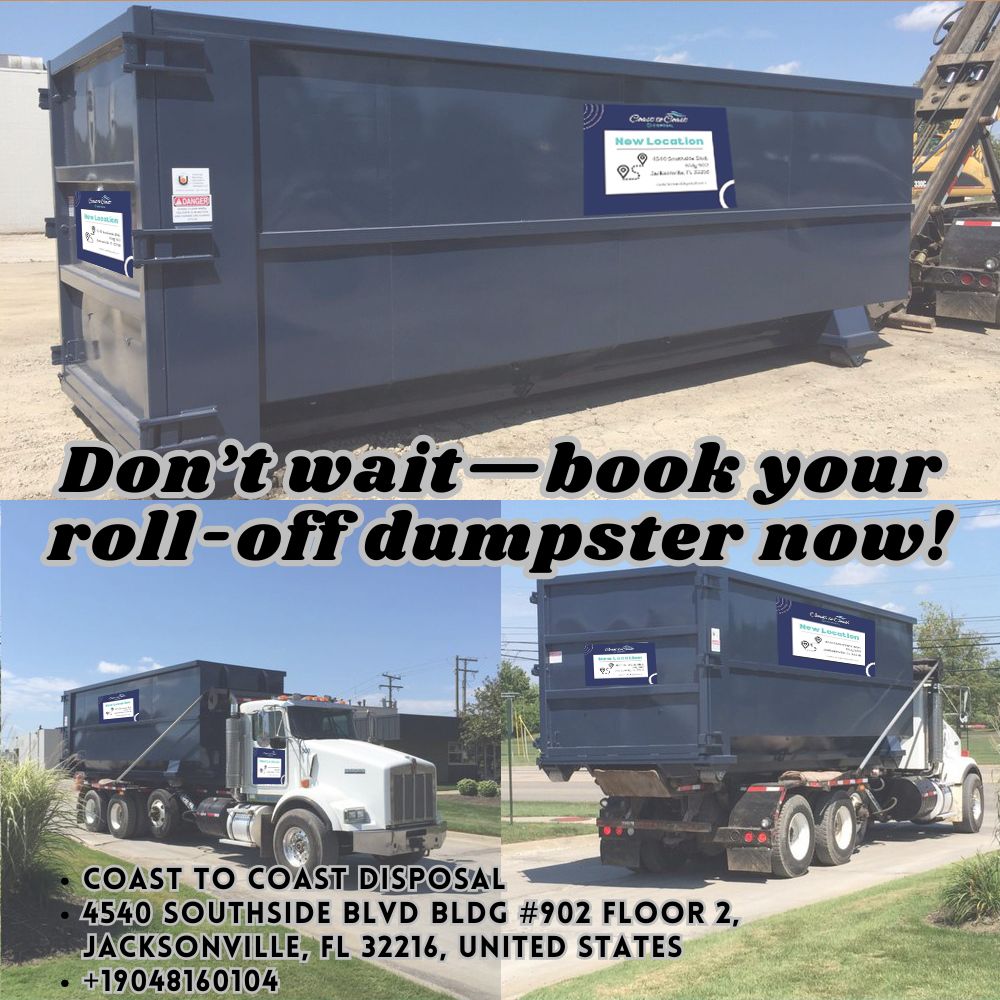
Expert Tips for Selecting the Ideal Dumpster Size for Roofing Projects
When embarking on a roofing project, choosing the appropriate dumpster size is crucial for efficient waste management. Here are some expert suggestions to help you determine the right dumpster size for your specific roofing needs:
- Assess the scope of your roofing project thoroughly to estimate the amount of debris that will be generated.
- Consider the type of roofing materials being removed, as heavier materials like clay tiles will require a larger dumpster capacity.
- Consult with your roofing contractor to gather insights on the typical amount of waste produced during similar projects.
Here are some common dumpster sizes and their respective capacities that are often recommended for roofing projects:
| Dumpster Size | Capacity (Cubic Yards) |
|---|---|
| 10 yards | Equivalent to approximately 3 pickup truck loads |
| 20 yards | Equivalent to approximately 6 pickup truck loads |
| 30 yards | Equivalent to approximately 9 pickup truck loads |
- Pros of opting for a larger dumpster size include avoiding the need for multiple hauls and potential cost savings.
- Cons of choosing a larger dumpster size involve higher upfront expenses and the risk of underutilizing the space.
Effective Waste Removal Strategies for Roof Tear-Off Projects in Jacksonville
To ensure a smooth and efficient waste removal process during a roof tear-off project in Jacksonville, consider the following expert tips and insights:
- Utilize separate containers for recyclable materials such as metal, asphalt shingles, and wood to minimize environmental impact.
- Place the dumpster strategically close to the work area to reduce the time and effort required for debris disposal.
- Opt for a dumpster size that is slightly larger than estimated to accommodate any unexpected debris volume.
When selecting a dumpster for your roof tear-off project, consider the pros and cons of different sizes to match your specific needs:
| Dumpster Size | Pros | Cons |
|---|---|---|
| 10-Yard | Suitable for small projects | May require multiple trips for larger debris volumes |
| 20-Yard | Versatile for medium-sized projects | Requires ample space for placement |
| 30-Yard | Ideal for large-scale projects | Limited placement options due to size |
By implementing these waste removal strategies and considering the advantages and disadvantages of various dumpster sizes, you can streamline the cleanup process and ensure the success of your roof tear-off project in Jacksonville.
Efficient Roofing Debris Disposal Techniques
When it comes to handling roofing debris during a project, optimizing efficiency and ensuring safety are paramount. By implementing strategic practices, you can streamline the disposal process while maintaining a secure environment for everyone involved.
- Segmentation of Waste: Sorting debris into categories such as recyclables, metals, and general waste can facilitate easier disposal and potentially reduce landfill contributions.
- Utilization of Protective Gear: Providing workers with appropriate safety equipment like gloves, helmets, and eyewear is crucial to prevent injuries and ensure a secure working environment.
Furthermore, employing the following techniques can enhance the efficiency of debris disposal:
- Strategic Dumpster Placement: Positioning dumpsters closer to the work area can minimize the time spent transporting debris, thus optimizing workflow.
- Regular Monitoring: Conducting frequent checks on the fill level of dumpsters enables timely removal and replacement, preventing delays in the project schedule.
Considering the weight and volume of roofing debris is essential in selecting the appropriate disposal containers. By estimating the amount of waste generated, you can choose the right dumpster size that aligns with the project requirements.
| Pros | Cons |
|---|---|
| Efficient waste management | Potential additional cost for larger dumpsters |
| Enhanced safety measures | Space constraints for placing large dumpsters |

