
Can I Fit Drywall And Framing Lumber In A 20-Yard Dumpster?: You can dispose of drywall and framing wood in a 20-yard dumpster in Jacksonville, FL
Coast to Coast Disposal Jacksonville, FL is your go-to solution for handling all your drywall and lumber disposal needs. Our expertise in waste management ensures that you can trust us to efficiently manage the disposal of these materials. With a wide range of container sizes available, including options suitable for accommodating drywall and lumber waste, you can rely on us to provide the right dumpster for your specific requirements.
Dumpster Capacity for Drywall and Lumber
When considering the disposal of drywall and framing lumber, it is essential to be mindful of the amount of space these materials can occupy. To help you better understand the capacity needed for such waste, here are some key points to keep in mind:
- Drywall typically takes up more space compared to lumber due to its composition and density.
- Opting for a larger dumpster size can ensure you have enough room for both drywall and lumber waste.
Additionally, separating drywall and lumber waste can help maximize the available space in the dumpster and facilitate efficient disposal. By strategically loading the materials into the dumpster, you can make the most of the allocated capacity while ensuring safe and secure disposal of these items.
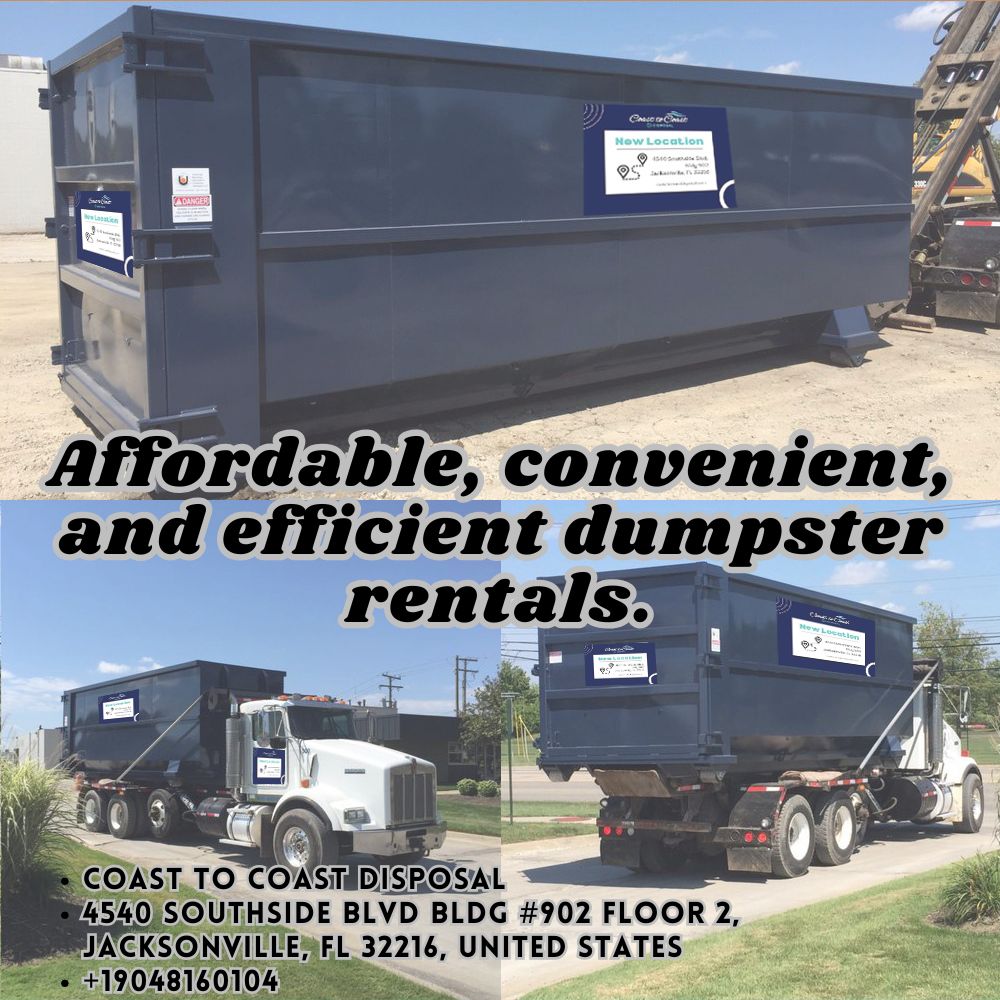
Coast to Coast Disposal Jacksonville, FL 4540 Southside Blvd Bldg #902 Suite, Jacksonville, FL 32216, United States,+19048160104
For more information – Click Here
Proper Disposal of Construction Debris
When it comes to disposing of construction debris, proper handling is crucial to ensure safety and environmental responsibility. Here are some expert tips and insights to help you navigate the process:
- Segregation: Separate different types of construction debris such as wood, drywall, metal, and concrete to facilitate recycling and proper disposal.
- Recycling Options: Explore local recycling facilities that accept construction materials like lumber, drywall, and metal for sustainable waste management.
Moreover, considering the size and weight of materials is essential to determine if they can fit in a standard 20-yard dumpster. For instance, framing lumber can be bulky, while drywall may be light but voluminous. Here are some insights on managing specific construction debris:
- Lumber: Cut long pieces of lumber to fit compactly in the dumpster and maximize space efficiency.
- Drywall: Break down drywall into manageable sections to optimize space utilization and prevent overloading the dumpster.
Additionally, consulting with waste management experts can provide tailored solutions for disposing of construction debris. They can offer guidance on proper sorting techniques and disposal methods to streamline the process.
Jacksonville Dumpster Size Considerations
Determining the appropriate dumpster size for your project in Jacksonville involves several crucial factors. Understanding the capacity and dimensions of dumpsters available can help you make an informed decision. Here are some insightful considerations to keep in mind:
- Consider the Type of Materials: Different materials may require different amounts of space. For example, bulky items like furniture may take up more room than smaller items like boxes.
- Think About Weight Restrictions: Some dumpsters have weight limits, so it’s essential to consider the weight of the materials you plan to dispose of.
- Assess the Space Available: Before selecting a dumpster size, evaluate the space where the dumpster will be placed to ensure it fits comfortably and allows for easy access.
When choosing the right dumpster size, keep in mind the following pros and cons:
| Pros | Cons |
|---|---|
| Allows for efficient waste disposal | May be more costly for larger sizes |
| Reduces the need for multiple trips to the disposal site | Overestimating size can lead to wasted space |
- Expert Tip: When in doubt, opt for a slightly larger dumpster to avoid running out of space mid-project.
- Quantitative Measurement: Assess the volume of materials you have to dispose of to determine the appropriate size.
Waste Management Guidelines for Renovation Projects
When embarking on a renovation project, proper waste management is crucial to ensure efficiency and safety. Here are some expert tips and guidelines to help you navigate the process smoothly:
- Sort materials to separate recyclables from non-recyclables.
- Consider donating usable items to minimize waste.
- Consult local regulations for disposal of specific materials.
One key aspect of waste management in renovation projects is the disposal of construction debris. It is essential to plan for the removal of materials such as drywall, lumber, and other waste generated during the project.
Before choosing a dumpster size, assess the amount and type of waste to be disposed of to ensure it fits within the capacity of the container.
Opting for a larger dumpster may be more cost-effective in the long run, as it reduces the need for multiple trips to the disposal site.
- Ensure proper loading of the dumpster to maximize space and prevent overflow.
- Consider renting a separate container for hazardous materials to comply with regulations.
Efficient Loading Techniques for 20-Yard Dumpsters
When filling a 20-yard dumpster, maximizing the space is key to efficient waste removal. Below are some expert tips and techniques to help you make the most of your dumpster space:
- Break down large items into smaller pieces to create more room.
- Organize waste by size and type to fit more items and prevent empty gaps.
- Use vertical space by stacking items carefully and safely.
By employing these loading techniques, you can ensure that your dumpster is used effectively and efficiently, saving you time and money in the long run.
Additionally, being mindful of how you load your dumpster can help reduce the number of trips required for waste removal, minimizing the overall cost and environmental impact of your project.
Remember, proper loading techniques not only maximize space but also promote safety by preventing items from shifting or falling during transport.
Eco-Friendly Practices for Construction Waste Disposal
Construction waste disposal is a crucial aspect of any building project, and adopting eco-friendly practices can minimize the environmental impact. Here are some insightful tips and strategies for responsibly managing construction waste:
- Consider deconstruction over demolition to salvage materials for reuse or recycling, reducing the amount of waste sent to landfills.
- Implement a waste management plan that outlines procedures for sorting and disposing of different types of construction materials.
- Utilize recycled or sustainable building materials to reduce the overall environmental footprint of the project.
Separating waste on-site into categories such as wood, metal, concrete, and drywall enables easier recycling and disposal processes, contributing to a more sustainable construction approach.
Pros of Eco-Friendly Construction Waste Disposal
- Reduces landfill waste and promotes resource conservation.
- Enhances the project’s sustainability profile, appealing to eco-conscious clients and stakeholders.
- Potentially lowers disposal costs through efficient waste management practices.
Cons of Eco-Friendly Construction Waste Disposal
- May require additional time and effort to implement compared to traditional disposal methods.
- Initial costs of using sustainable materials or recycling services can be higher.
- Regulatory compliance and monitoring may be necessary, adding complexity to waste management processes.

