
There comes a point in every home where the clutter wins. The garage is impassable, the attic is packed, the storage unit is full, and you realize the only way forward is a serious cleanout. A residential dumpster rental turns what would otherwise be weeks of back-and-forth trips to the dump into a single, efficient project.
This guide walks you through how to plan and execute a home cleanout using a roll-off dumpster, from sizing and scheduling to what you can and cannot throw away.
When Does a Dumpster Make More Sense Than Trash Bags?
Your curbside trash service handles day-to-day household waste. But when you are dealing with a volume that exceeds what the weekly pickup can handle, or items that are too large for curbside collection, a roll-off dumpster is the right tool for the job. Common scenarios where a residential dumpster rental makes sense include:
- Whole-home decluttering, clearing out accumulated items from every room, closet, and storage area.
- Estate cleanouts, emptying the contents of a home after a family member passes or moves to assisted living.
- Pre-move purge, getting rid of items you do not want to take to a new home before your move.
- Garage and attic cleanouts, tackling the spaces where items accumulate for years.
- Post-renovation cleanup, removing leftover construction debris, old materials, and packaging.
- Yard waste and landscaping debris, clearing branches, brush, old fencing, decking, and landscape materials after a major outdoor project.
What Size Dumpster for a Home Cleanout?
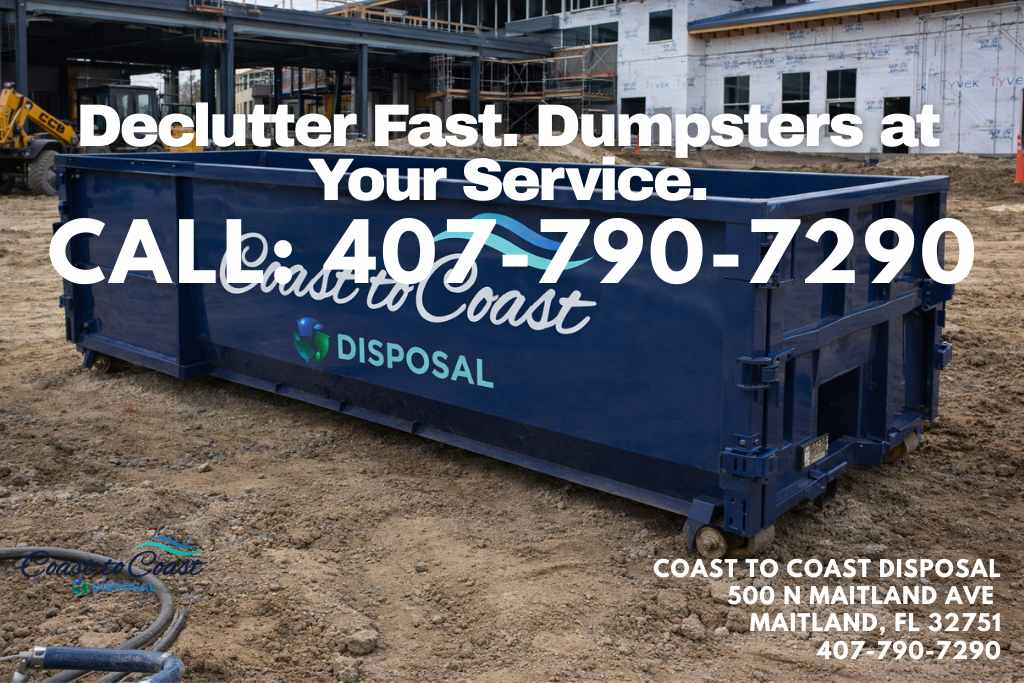
The right size depends on how much you are removing and the size of your home. Here is a practical guide:
10 Yard, Small, focused cleanout. Ideal for cleaning out a single garage, attic, or a couple of rooms. Holds approximately 3 pickup truck loads. This is the right size if you are being selective about what you are removing.
20 Yard, Standard home cleanout. This is the most popular size for residential customers. It handles a full-house declutter for a 2 to 3 bedroom home, an estate cleanout for a moderately furnished property, or a combined garage-plus-interior cleanout. Holds approximately 6 pickup truck loads.
30 Yard, Large cleanout or heavy accumulation. If you are cleaning out a 4+ bedroom home, a heavily packed estate, or combining interior decluttering with a significant yard waste project, the 30 yard provides the extra capacity to handle it all in one load. Holds approximately 9 pickup truck loads.
Every rental includes a set weight allowance. Exceeding that allowance adds a per-ton charge. Confirm the exact allowance when booking. Final cost varies by container size, rental period, debris type, and delivery location. Call (407) 790-7290 for an exact quote.
For a deeper look at what drives pricing in the area, see the Orlando dumpster rental cost guide for 2026 or review roll-off dumpster rental costs in Orange County.
What Can Go in a Residential Dumpster?
Yes, these items are accepted: Old furniture (couches, mattresses, tables, chairs, dressers), appliances with doors removed (refrigerators, washers, dryers, dishwashers), clothing and textiles, books and papers, household junk, boxes and packaging, yard waste (branches, brush, leaves, sod), old fencing and decking, general construction debris from DIY projects, and non-hazardous household items.
No, these items are prohibited under Florida DEP regulations: Hazardous waste, paint (unless dried or solidified latex), motor oil and automotive fluids, solvents and chemicals, batteries, tires, asbestos, medical waste, electronics (TVs, monitors, computers), and propane tanks or pressurized containers.
Many prohibited items can be disposed of through your county’s household hazardous waste collection program. Contact your county solid waste department for current drop-off locations and schedules.
How to Plan Your Cleanout for Maximum Efficiency
Schedule the dumpster before you start sorting. Having the container on-site from day one means you can toss items as you go rather than creating staging piles that need to be moved twice.
Work room by room. Start with the easiest room to build momentum, then tackle the hardest spaces. Most people find that the garage or attic is the most time-consuming because items have been accumulating there the longest.
Use the four-pile method. As you go through each room, sort items into four categories: keep, donate, sell, and toss. Everything in the toss pile goes directly into the dumpster. This prevents the common mistake of keeping too much out of indecision.
Load heavy items first. Place heavier items on the bottom and lighter, bulky items on top. Break down large items like furniture and shelving to maximize space. Use the walk-in door on the dumpster for heavy items rather than lifting them over the sides.
Do not overfill. Debris cannot extend above the container sidewalls. Overfilled containers cannot be safely transported and will need to be leveled before pickup, which adds cost and delays your project.
Timing Your Rental
Rental periods vary, confirm the included duration when booking. Spring and early summer are the busiest seasons for residential dumpster rentals in Central Florida. If you are planning a major cleanout during March through June, booking in advance ensures container availability.
If you plan to place a dumpster on a public street or sidewalk, a permit may be required. The dumpster permit guide for Florida driveways and streets covers what to check before delivery day.
Frequently Asked Questions
What is the most common dumpster size for a residential cleanout?
The 20-yard container is the most popular choice for residential customers. It handles a full-house declutter for a 2 to 3 bedroom home and most estate cleanouts. The 10-yard works well for a single-room or garage cleanout, while the 30-yard suits larger homes or projects that combine interior and yard debris.
Can I put mattresses and old furniture in a dumpster?
Yes. Mattresses, couches, chairs, tables, and dressers are accepted in a residential roll-off dumpster. Appliances are also accepted as long as doors are removed before disposal.
Do I need a permit to place a dumpster on my driveway in Florida?
A permit is generally not required when a dumpster sits entirely on private property such as a driveway. Placement on a public street or sidewalk typically does require a permit from the local municipality. Requirements vary by city, so confirm with your local public works office before scheduling delivery.
How far in advance should I book a dumpster for spring cleaning?
Spring is the busiest season for residential dumpster rentals in Central Florida. Booking ahead of your planned start date helps ensure the container size you need is available. Call (407) 790-7290 to check availability.
Get Started on Your Home Cleanout
Coast to Coast Disposal delivers residential dumpsters across the Orlando metro area, including Winter Park, Casselberry, Winter Springs, Longwood, Lake Mary, Oviedo, Apopka, Ocoee, Clermont, and Kissimmee. Residents in neighboring counties can also review dumpster rental costs in Seminole County for local pricing details. Call (407) 790-7290 for a free, flat-rate quote on your cleanout project.
Last Updated: February 2026.

