
How Many Tons Can A 30-Yard Dumpster Hold?: A 30-yard dumpster in Orlando, FL typically has a weight limit of about 6,000 pounds
Our company, Coast to Coast Disposal, located in Orlando, FL, is here to assist you with all your waste disposal requirements for a 30-yard dumpster. Whether it be for construction debris, household cleanouts, or commercial projects, we have got you covered with our variety of services.
Weight Capacity of a 30-Yard Dumpster in Orlando, FL
When considering the weight capacity of a 30-yard dumpster in Orlando, FL, it is essential to understand the limitations and guidelines to ensure efficient waste disposal. Here are some key points to keep in mind:
- Ensure that materials are distributed evenly to maximize space and weight capacity.
- Consult with our experts to determine the appropriate dumpster size for your specific needs.
- Regularly monitor the fill level to avoid exceeding weight restrictions.
Below is a reference table outlining the approximate weight capacity of common debris materials in a 30-yard dumpster:
| Material Type | Approximate Weight |
|---|---|
| Concrete | 20,000-30,000 lbs |
| Wood | 8,000-10,000 lbs |
| Roofing Shingles | 12,000-15,000 lbs |
By adhering to these guidelines and utilizing our services at Coast to Coast Disposal, you can ensure a smooth and efficient waste disposal process for your 30-yard dumpster needs in Orlando, FL.
Coast to Coast Disposal 500 N Maitland Ave, Maitland, FL 32751, United States, +14077907290
For more information – Click Here
Understanding Weight Restrictions for 30-Yard Dumpsters
When considering the capacity of a 30-yard dumpster, it is crucial to delve into the weight limitations associated with such a substantial container. Understanding the weight restrictions for these sizeable receptacles ensures efficient waste disposal, preventing overloading and potential hazards.
- Weight Capacity:
- 30-yard dumpsters, also known as construction dumpsters, can typically hold between 8 to 10 tons of debris, which equates to roughly 16,000 to 20,000 pounds.
- Heavy Materials Consideration:
- For dense materials like concrete, gravel, or soil, it is imperative to factor in their weight when loading the dumpster, as they can quickly reach the weight limit.
- Distribution of Weight:
- Evenly distributing the weight of the debris throughout the dumpster helps prevent exceeding the weight limit and ensures safe transportation and disposal.
While the 30-yard dumpster provides ample space for large-scale projects, it is essential to keep a keen eye on the weight of the materials being discarded. Exceeding the weight limit can lead to additional charges, delays in disposal, or even safety risks during transportation.
Maximizing Load Efficiency in a 30-Yard Dumpster
When it comes to optimizing the capacity of a 30-yard dumpster, strategic planning and efficient packing techniques are paramount. Utilizing the available space to its fullest potential can make a significant difference in the amount of debris that can be safely and effectively disposed of. Here are some expert tips and insights to help you make the most out of your 30-yard dumpster:
- Consider the Weight Distribution: Distributing the weight of the materials evenly throughout the dumpster can prevent potential hazards and ensure that the load is balanced.
- Use Vertical Space: Stacking items vertically can help maximize the capacity of the dumpster and create more room for additional materials.
- Break Down Large Items: Disassembling large items before disposal can free up space and allow for more efficient packing of the dumpster.
Furthermore, understanding the limitations and capacity of a 30-yard dumpster is crucial for successful waste management. While it may vary depending on the materials being disposed of, a general rule of thumb is that a 30-yard dumpster can typically hold around 8-10 pickup truck loads of debris.
By implementing these strategies and being mindful of the weight and size of the materials being disposed of, you can maximize the efficiency of your 30-yard dumpster, minimize waste, and ensure safe and effective disposal of debris.
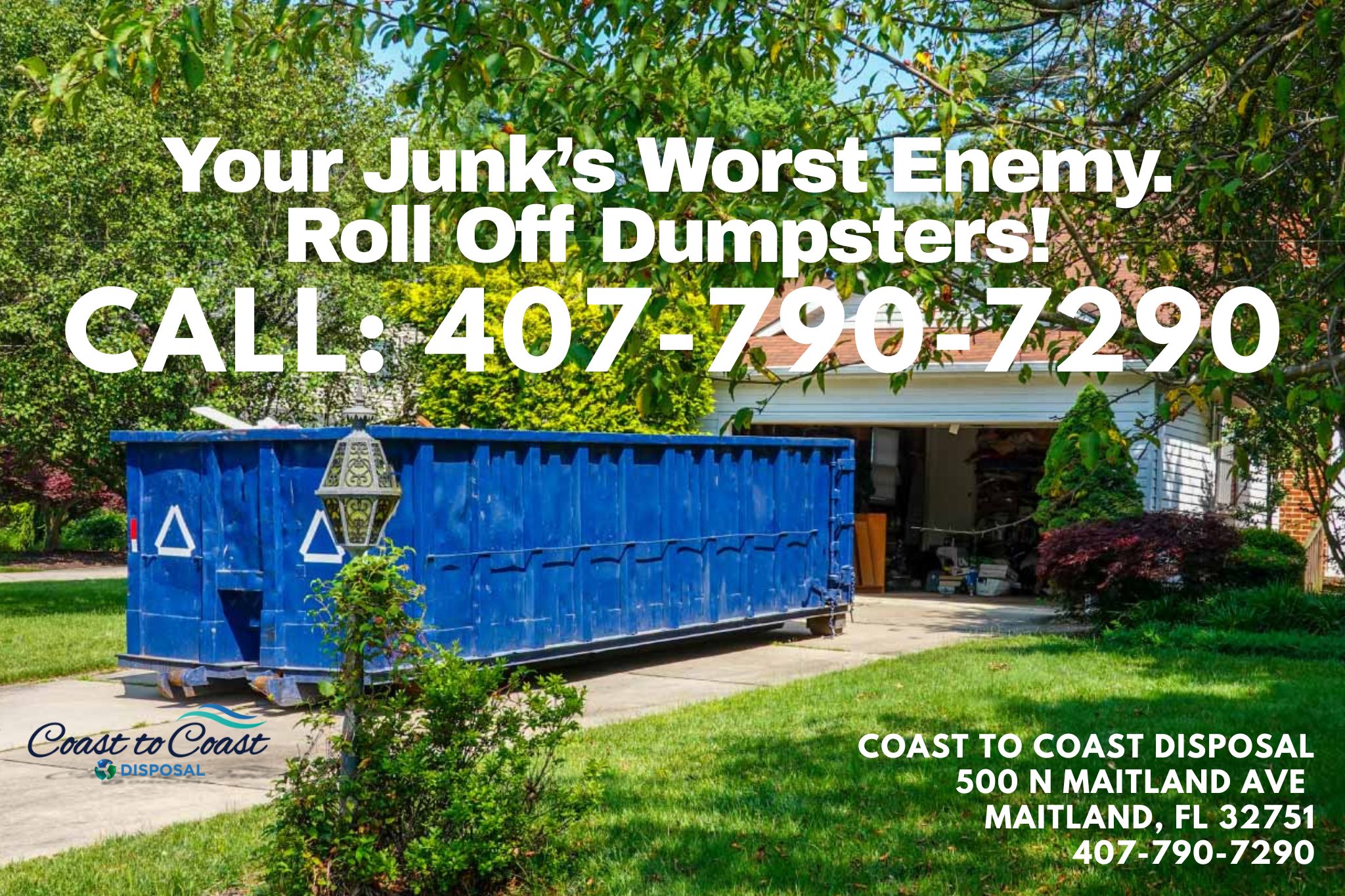
Types of Debris Suitable for a 30-Yard Dumpster
When considering the utilization of a 30-yard dumpster, it’s important to understand the various types of debris that are suitable for disposal in this sizable container. Here are some insights on the types of waste materials that can be effectively accommodated:
- Construction Debris:
- Concrete, bricks, stones
- Wood, drywall, insulation
- Metal scraps, pipes, wiring
- Household Junk:
- Furniture, appliances, mattresses
- General clutter, clothing, toys
- Electronics, books, paper products
It’s crucial to segregate hazardous materials from the permissible waste items. Hazardous substances can pose significant risks to the environment and human health when disposed of improperly. Be mindful of the following items that should not go into the dumpster:
- Chemicals and Solvents
- Batteries and Electronics
- Paint and Flammable Liquids
By adhering to these guidelines and being conscientious about the waste materials being placed in the dumpster, you can ensure efficient and safe disposal practices. Proper waste management not only benefits the environment but also promotes a cleaner and healthier community for all.
Limits and Regulations on Dumpster Weight in Orlando, FL
When it comes to disposing of waste in Orlando, FL, understanding the limits and regulations on dumpster weight is crucial. Failing to comply with these guidelines can result in fines or other penalties. Here are some key points to keep in mind:
- Dumpster Weight Restrictions:
- Dumpster weight limits in Orlando are typically based on the size of the dumpster.
- Exceeding the weight limit can lead to additional fees or even rejection of the dumpster by the waste management company.
- It is important to be aware of the weight restrictions specific to the dumpster size you are renting.
- Regulation Compliance:
- Dumpster weight regulations are in place to ensure safe transportation and disposal of waste.
- Compliance with these regulations helps prevent damage to roads and property caused by overweight dumpsters.
- By following the weight limits, you contribute to the overall efficiency of waste management in the Orlando area.
- Expert Tips:
- Distribute weight evenly in the dumpster to avoid exceeding weight limits.
- Consider the density of the materials you are disposing of to estimate the total weight accurately.
- Consult with the dumpster rental company for guidance on weight restrictions and proper loading techniques.
Safety Tips for Loading a 30-Yard Dumpster
When it comes to loading a 30-yard dumpster, ensuring safety is paramount to a successful and efficient waste disposal process. Here are some expert tips and insights to help you load your dumpster safely:
- 1. Prioritize Heavy Items: Start by loading heavy items at the bottom of the dumpster to ensure stability and prevent shifting during transportation.
- 2. Break Down Bulky Items: Disassemble large items such as furniture or appliances to maximize space and prevent overloading the dumpster.
- 3. Distribute Weight Evenly: Spread out the weight of items throughout the dumpster to maintain balance and prevent tipping when loading or unloading.
Additionally, consider the following safety precautions to enhance your loading experience:
- Avoid Overfilling: Do not exceed the fill line of the dumpster to prevent debris from falling out during transport.
- Wear Protective Gear: Use gloves, sturdy footwear, and eye protection when handling heavy or sharp objects to avoid injuries.
- Mindful Placement: Be cautious when placing items into the dumpster to prevent accidents or injuries caused by shifting debris.
By following these safety tips and best practices, you can ensure a smooth and secure loading process for your 30-yard dumpster, promoting efficiency and minimizing risks associated with waste disposal.

