
Are There Special Dumpsters For Concrete And Heavy Materials Only?: In Orlando, Florida, are there dumpsters specifically designated for disposing of concrete and bulk items?
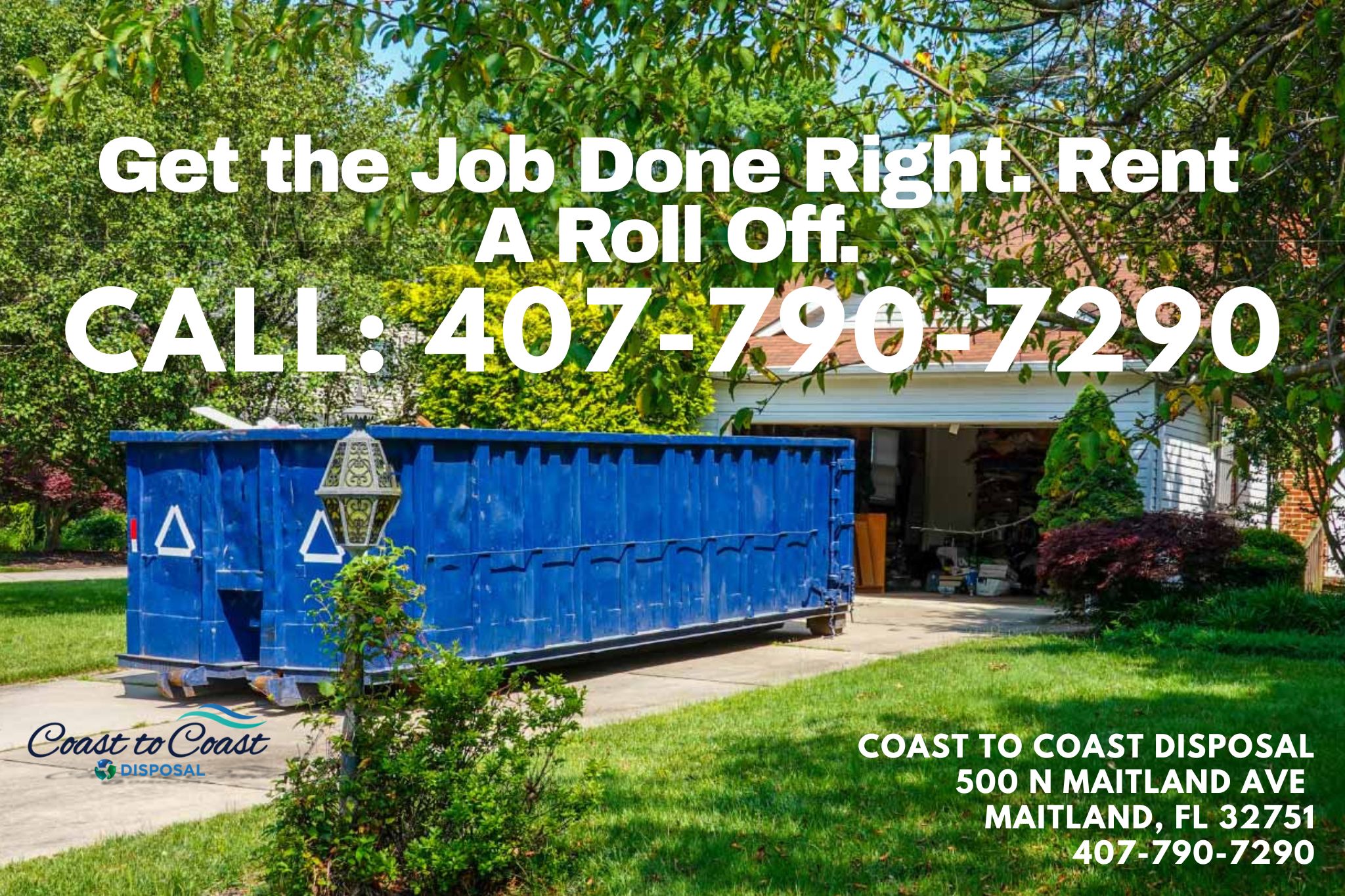
Coast to Coast Disposal in Orlando, FL offers a variety of solutions for handling heavy materials, including concrete. Our specialized dumpsters are designed to accommodate all your needs when it comes to disposing of heavy and bulky items. Whether you are working on a construction site or a renovation project, our team is here to assist you with finding the right dumpster for your Are There Special Dumpsters For Concrete And Heavy Materials Only? requirements.
Dumpster Options for Concrete and Heavy Materials
When it comes to disposing of concrete and other heavy materials in Orlando, it’s important to choose the right dumpster for the job. Coast to Coast Disposal provides a range of options to ensure that your waste management needs are met efficiently and effectively:
- 20-yard roll-off dumpsters
- 30-yard roll-off dumpsters
- 40-yard roll-off dumpsters
Our dumpsters are equipped to handle the weight and size of concrete and heavy materials, making the disposal process seamless and hassle-free. With Coast to Coast Disposal, you can trust that your waste will be handled responsibly and in compliance with all regulations. Contact us today to learn more about our services and how we can assist you with your heavy material disposal needs.
Coast to Coast Disposal 500 N Maitland Ave, Maitland, FL 32751, United States, +14077907290
For more information – Click Here
Guidelines for Proper Disposal of Heavy Debris
When it comes to disposing of heavy debris, it is essential to follow proper guidelines to ensure safety and environmental responsibility. Here are some expert tips and insights to help you navigate the process smoothly:
- Separate heavy materials: Before disposal, it is crucial to separate heavy debris such as concrete, bricks, and rocks from other waste materials to facilitate efficient recycling or disposal.
- Use designated containers: Certain facilities provide specialized bins or containers for heavy materials, ensuring proper handling and disposal according to regulations.
- Consult local regulations: Different regions have specific rules regarding the disposal of heavy debris, so it is advisable to consult local authorities to avoid any violations.
Proper disposal of heavy debris not only contributes to a cleaner environment but also helps in the efficient recycling of materials. By adhering to guidelines and regulations, you can play a vital role in promoting sustainability and responsible waste management.
Benefits of Utilizing Specialized Containers for Concrete Waste
When embarking on projects that involve concrete disposal, opting for specialized dumpsters tailored for heavy materials such as concrete can prove to be remarkably advantageous. These containers, designed with the unique properties of concrete waste in mind, offer a range of benefits that can streamline the disposal process and enhance overall efficiency.
- Enhanced Durability: Specialized dumpsters constructed specifically for concrete and heavy materials are built to withstand the weight and rough texture of such waste, ensuring they do not break or leak during transportation.
- Efficient Space Utilization: These dumpsters are often structured to maximize capacity while minimizing the footprint, allowing for optimal space utilization on-site.
Moreover, the utilization of specialized containers can lead to a reduction in operational costs by facilitating smoother waste management operations. By segregating concrete waste into dedicated dumpsters, the sorting process becomes more streamlined, enabling easier recycling of materials and reducing the amount of waste destined for landfills.
- Environmental Impact: Specialized dumpsters for concrete waste contribute to sustainable construction practices by promoting recycling and reducing the environmental footprint associated with traditional waste disposal methods.
- Regulatory Compliance: Proper disposal of concrete waste in specialized containers ensures compliance with waste management regulations, avoiding potential fines or penalties.
Restrictions on Mixing Heavy Materials in Regular Dumpsters
When it comes to disposing of heavy materials in regular dumpsters, there are certain restrictions that need to be observed to ensure safety and efficiency. Mixing heavy materials with regular trash can lead to various issues, including increased disposal costs, environmental hazards, and potential damage to the dumpster.
- Heavy materials such as concrete, bricks, and rocks should not be mixed with general waste due to their weight and density.
- Regular dumpsters are not designed to handle the excessive weight and may become overloaded, posing safety risks during transportation.
- Improper disposal of heavy materials can result in fines or penalties from waste management authorities.
To properly dispose of heavy materials, it is recommended to use specialized containers or dumpsters that are specifically designed to handle such loads. These containers are constructed with reinforced materials and are equipped with features that can withstand the weight and density of heavy materials.
- Separating heavy materials from regular trash not only ensures proper disposal but also helps in recycling and reusing these materials for other construction projects.
- Using specialized dumpsters for heavy materials minimizes the risk of accidents, spills, and environmental contamination.
- Consulting with waste management experts can provide valuable insights on the proper disposal methods for heavy materials and help in complying with regulations.
Best Practices for Environmentally Conscious Disposal of Concrete and Heavy Waste
When it comes to disposing of concrete and heavy materials, adopting eco-friendly practices is not only beneficial for the environment but also for cost-effective waste management. Here are some expert tips and insights to help you navigate the disposal process responsibly:
- Consider repurposing or recycling concrete and heavy materials whenever possible to reduce waste generation.
- Opt for specialized waste management companies that offer sustainable disposal solutions for heavy debris.
- Utilize designated recycling centers that accept concrete and heavy materials for proper handling and processing.
By implementing these environmentally conscious practices, you can contribute to the reduction of landfill waste and promote sustainability in waste management.
Benefits of Eco-Friendly Concrete and Heavy Waste Disposal
Embracing eco-friendly disposal methods for concrete and heavy materials yields various advantages, including:
- Minimization of environmental impact through reduced landfill usage.
- Conservation of natural resources by promoting recycling and reuse of heavy materials.
- Compliance with environmental regulations and standards for responsible waste management.
Expert Tips for Safely Loading and Unloading Heavy Materials into Specialized Dumpsters
When dealing with heavy materials, it is crucial to follow proper procedures to ensure safety and efficiency. Here are some expert insights to help you navigate the process:
- Before loading any heavy materials into specialized dumpsters, make sure to assess the weight and dimensions of the items to prevent overloading and potential hazards.
- Use appropriate lifting equipment such as forklifts, cranes, or dollies to safely transport heavy materials to the dumpster without risking injury.
- Secure loose materials with straps or chains to prevent shifting during transportation, reducing the risk of accidents and damages.
- Consider segregating different types of heavy materials within the dumpster to facilitate recycling and proper disposal practices.
Furthermore, when unloading heavy materials from specialized dumpsters, take the following precautions:
- Wear appropriate personal protective equipment such as gloves, goggles, and hard hats to protect yourself from potential hazards.
- Use designated unloading areas to avoid obstructions and ensure a clear path for safe unloading operations.
- Inspect the dumpster for any remaining materials or debris before unloading to prevent contamination or safety risks.

