
What’S The Difference Between A 10-Yard And 20-Yard Dumpster?: The variance between a 10-yard and 20-yard waste container in Orlando, FL lies in their respective dimensions and load capacities
Whether you’re tackling a renovation project or cleaning out clutter, Coast to Coast Disposal in Orlando, FL is here to assist you with all your dumpster size inquiries. Our knowledgeable team can provide guidance on selecting the most suitable container for your project requirements, helping you differentiate between various options available to ensure a seamless waste disposal process.
Understanding Dumpster Sizes
When it comes to choosing the right dumpster size for your project, it’s essential to consider the volume of waste you’ll be disposing of. Here’s a breakdown of the key differences between a 10-yard and a 20-yard dumpster:
- Capacity: A 10-yard dumpster can typically hold around 3 pickup truck loads of debris, while a 20-yard dumpster can accommodate approximately 6 pickup truck loads.
- Dimensions: The dimensions of a 10-yard dumpster are usually smaller than those of a 20-yard dumpster, making it a more space-efficient option for projects with limited room.
- Cost: Generally, a 20-yard dumpster may be more expensive than a 10-yard dumpster due to its larger capacity and dimensions.
Coast to Coast Disposal 500 N Maitland Ave, Maitland, FL 32751, United States, +14077907290
For more information – Click Here
Choosing the Right Dumpster for Your Project
When embarking on a project that requires the use of a dumpster, one crucial decision is determining the ideal size for your specific needs. Selecting between various dumpster sizes can significantly impact the efficiency and cost-effectiveness of your project. Consider the following factors to make an informed decision:
- Scope of the Project:
- Amount of Debris:
- Space Constraints:
- Weight Restrictions:
Understanding the distinctions between a smaller and larger dumpster can help you optimize your waste management strategy. Let’s delve into the nuances to guide you in the selection process.
10-Yard Dumpster
- Perfect for small-scale projects
- Ideal for residential cleanouts
- Capacity equivalent to approximately 3-4 pickup truck loads
20-Yard Dumpster
- Suitable for mid-sized projects
- Great for renovations or remodels
- Can hold around 6-8 pickup truck loads of debris
Considering the size and scale of your project, the 10-yard dumpster offers convenience for minor undertakings, while the 20-yard option caters to more extensive ventures. By assessing your requirements based on the factors mentioned above, you can make an informed choice that optimally aligns with your project’s needs.
Comparing Capacities: 10-Yard vs. 20-Yard Dumpsters
When contemplating the optimal size for your dumpster needs, a critical factor to consider is the capacity it offers. Let’s delve into a detailed analysis of the disparities between a 10-yard and 20-yard dumpster:
- Size Variance:
- 10-yard dumpsters are commonly likened to a modest two-car garage, whereas 20-yard dumpsters are often compared to a small backyard shed.
- Volume Difference:
- The 10-yard option typically holds up to four pickup trucks worth of debris, while the 20-yard counterpart can accommodate approximately eight pickup trucks worth of waste.
- Weight Constraints:
- It’s important to be mindful of the weight limitations of each dumpster size, as exceeding these boundaries can result in additional charges.
By evaluating your project’s magnitude, waste disposal needs, and space restrictions, you can make an informed decision between a 10-yard and 20-yard dumpster. Consider these pros and cons of each:
| 10-Yard Dumpster | 20-Yard Dumpster |
|---|---|
| More suitable for small-scale projects | Ideal for medium-sized renovations |
| Requires less space for placement | Offers greater capacity for larger debris |
| Cost-effective for minimal waste removal | Potentially reduces the need for multiple trips |
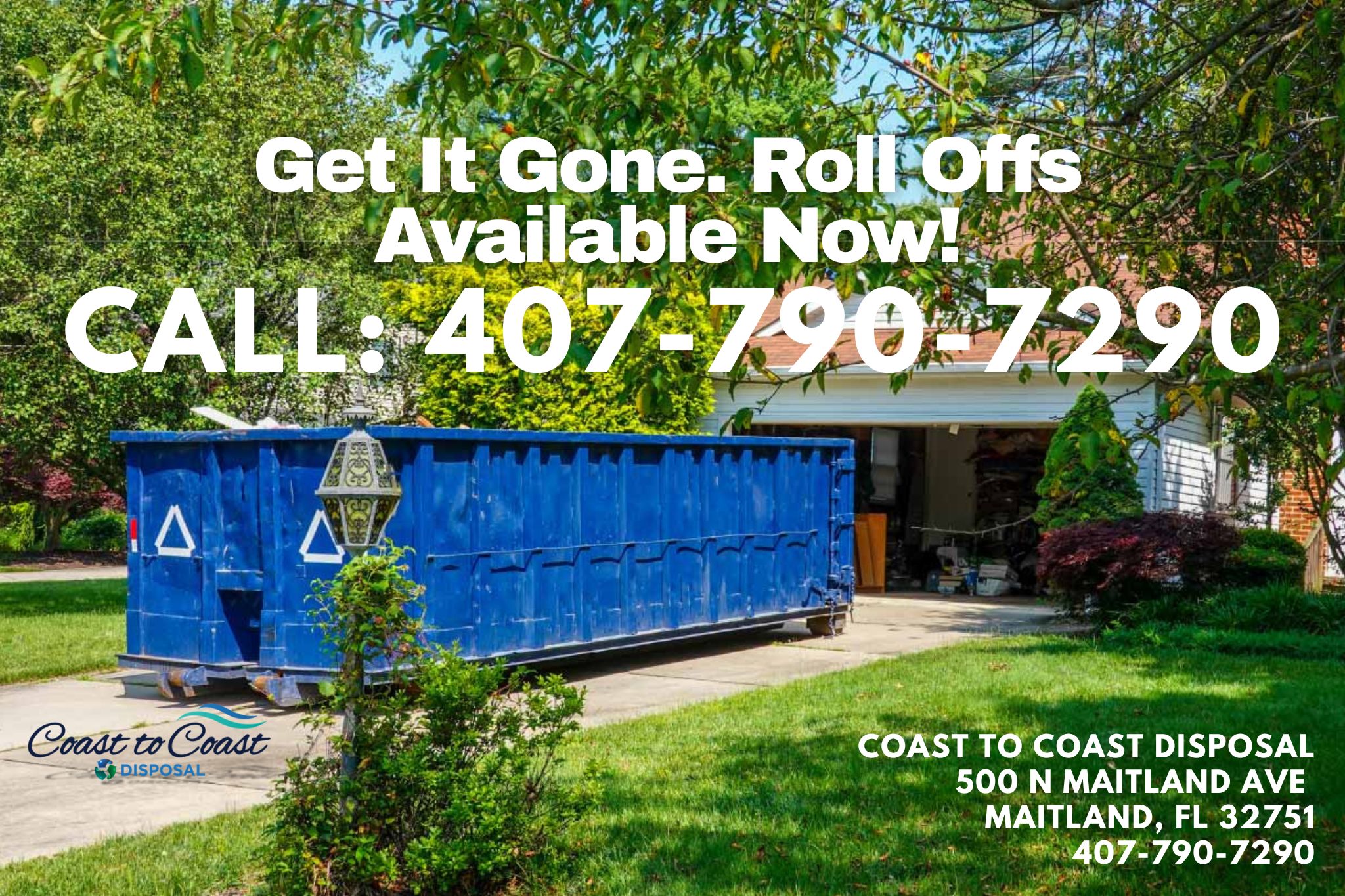
Space Requirements for 10-Yard and 20-Yard Dumpsters
When considering the space requirements for a dumpster, it is crucial to factor in not only the physical dimensions of the container but also the surrounding environment. Here are some key points to keep in mind:
- 10-yard Dumpsters:
- Equivalent to about 3 to 5 pickup truck loads.
- Typically measure around 12 feet in length, 6 feet in width, and 4 feet in height.
- Requires a flat and stable surface for placement.
- 20-yard Dumpsters:
- Can hold roughly 6 to 10 pickup truck loads of waste.
- Generally have dimensions of approximately 22 feet in length, 8 feet in width, and 4.5 feet in height.
- Needs a larger area compared to the 10-yard dumpster due to its size.
When deciding between a 10-yard and a 20-yard dumpster, it is important to assess the available space on your property. Additionally, consider any obstacles such as overhanging branches, power lines, or uneven terrain that could affect delivery and placement.
For optimal usage and safety, ensure there is ample clearance around the dumpster for loading and unloading purposes. This includes allowing enough space for the truck to drop off and pick up the container without obstruction.
Keep in mind that access to the dumpster location should be unobstructed to prevent delays in delivery or removal. It is advisable to communicate any specific requirements or constraints with the dumpster rental company to ensure a smooth and efficient process.
Weight Limit Differences Between 10-Yard and 20-Yard Dumpsters
When considering the weight limits of dumpsters, it’s crucial to understand the disparities between a 10-yard and a 20-yard container. These distinctions can significantly impact your waste management decisions and overall project efficiency.
- 10-Yard Dumpster Weight Limit
- Commonly holds up to 2 tons of debris.
- Equivalent to approximately 4,000 pounds.
- Perfect for smaller residential projects.
- 20-Yard Dumpster Weight Limit
- Able to accommodate around 4 tons of waste.
- Equal to about 8,000 pounds.
- Ideal for medium-sized renovations or cleanouts.
It’s essential to avoid exceeding the weight limits of your chosen dumpster as it can incur additional charges and delays in your project timeline. Here are some expert tips to help you manage weight restrictions effectively:
- Sort and separate recyclable materials to reduce overall weight.
- Compact waste materials to maximize space utilization within the dumpster.
- Consider donating reusable items rather than disposing of them to lessen the load.
By being mindful of weight limits and employing strategic waste management practices, you can optimize the efficiency of your waste disposal process and minimize additional costs associated with exceeding weight restrictions.
Cost Analysis: 10-Yard vs. 20-Yard Dumpster Rentals
When contemplating the selection between a 10-yard and a 20-yard container for your waste management needs, it is indispensable to weigh the various factors that could influence your decision. Below, we explore the disparities in pricing, capacity, and suitability to help you make an informed choice:
- Cost Considerations:
- 10-yard dumpsters generally cost less than their 20-yard counterparts due to their smaller size and capacity.
- While the initial rental fee may be lower for a 10-yard dumpster, additional charges for exceeding weight limits could potentially make the 20-yard option more cost-effective in the long run.
- Consider the overall cost implications, including any permit fees, delivery charges, and disposal costs, before finalizing your decision.
- Capacity Assessment:
- A 10-yard dumpster typically holds around 4 pickup truck loads of debris, making it suitable for small-scale projects or limited spaces.
- On the other hand, a 20-yard dumpster can accommodate approximately 8 pickup truck loads, offering more flexibility and capacity for larger-scale cleanups or renovations.
- Suitability Factors:
- If space is a constraint at your location, opting for a 10-yard dumpster may be a more practical choice to ensure easy placement and maneuverability.
- However, if you anticipate a significant volume of waste or debris, the 20-yard option provides ample room without the need for frequent pickups or replacements.

