
How Do I Calculate The Right Dumpster Size For Construction Debris?: Determine the appropriate container size for construction waste in Orlando, FL
At Coast to Coast Disposal in Orlando, FL, we specialize in assisting customers with determining the most suitable dumpster size for their construction waste disposal needs. Our team of experts is here to guide you through the process of selecting the appropriate roll-off container for your project.
Determining the Appropriate Roll Off Dumpster Size for Construction Waste in Orlando, FL
When it comes to choosing the right dumpster size for your construction waste in Orlando, FL, several factors should be taken into consideration:
- The volume of debris: Calculate the amount of waste you anticipate generating during your project.
- The type of materials: Different materials may require different sizes of dumpsters for disposal.
- The duration of the project: Consider how long you will need the dumpster on-site for efficient waste removal.
Here are some common roll-off dumpster sizes and their typical capacities:
| Dumpster Size | Capacity |
|---|---|
| 10 yards | Suitable for small renovations or cleanouts |
| 20 yards | Ideal for medium-sized projects |
| 30 yards | Great for larger construction jobs |
Coast to Coast Disposal 500 N Maitland Ave, Maitland, FL 32751, United States, +14077907290
For more information – Click Here
Estimating Your Construction Debris Volume
When tackling a construction project, having a clear estimate of your debris volume is crucial for determining the appropriate dumpster size. Here are some expert tips and insights to help you accurately assess the amount of waste generated:
- Break Down Materials: Deconstructing your project into categories such as wood, drywall, concrete, and metal can aid in more precise volume calculations.
- Utilize Weight Estimates: While volume is essential, weight can also impact dumpster selection. Heavy materials like concrete may require a larger dumpster despite a smaller volume.
- Consider Compression: Certain debris types, such as cardboard or plastic, can be compressed to optimize space within the dumpster.
Additionally, understanding the nature of your project can offer further insights:
- Pro Tip: For ongoing projects, consider scheduling multiple smaller dumpster pickups to maintain a clean worksite and accommodate fluctuating debris volumes.
- Pros:
- Accurate volume estimation reduces the risk of overpaying for a larger dumpster.
- Optimizing dumpster size ensures efficient waste disposal and minimizes environmental impact.
- Cons:
- Underestimating debris volume can lead to additional costs for ordering an extra dumpster.
- Choosing a dumpster too large for your needs may result in unnecessary expenses.
Key Factors to Keep in Mind for Optimal Dumpster Size Selection
When determining the appropriate dumpster size for construction debris disposal, certain critical aspects must be taken into consideration:
- Project Scope and Timeline
- Types of Materials
- Space Availability
- Weight Restrictions
- Environmental Regulations
Considering the scale and duration of the project aids in selecting a dumpster size that accommodates the amount of debris generated over the period. The variety and bulk of materials, including wood, metal, concrete, and drywall, influence the size requirement. Available space for placing the dumpster, whether in a narrow urban alley or a spacious construction site, dictates the dimensions that can be feasibly accommodated.
Adhering to weight limits is crucial to prevent overloading and potential safety hazards during transport. Following environmental guidelines ensures proper disposal methods for various materials, reducing negative impacts on the surroundings. Opting for a larger dumpster may be advantageous to avoid frequent emptying and maintain workflow efficiency, though it can lead to unused space and increased costs.
Conversely, selecting a smaller dumpster necessitates more frequent pickups but can be cost-effective for shorter projects with limited debris volume. Balancing these factors is essential to optimize waste management practices and ensure a smooth construction process.
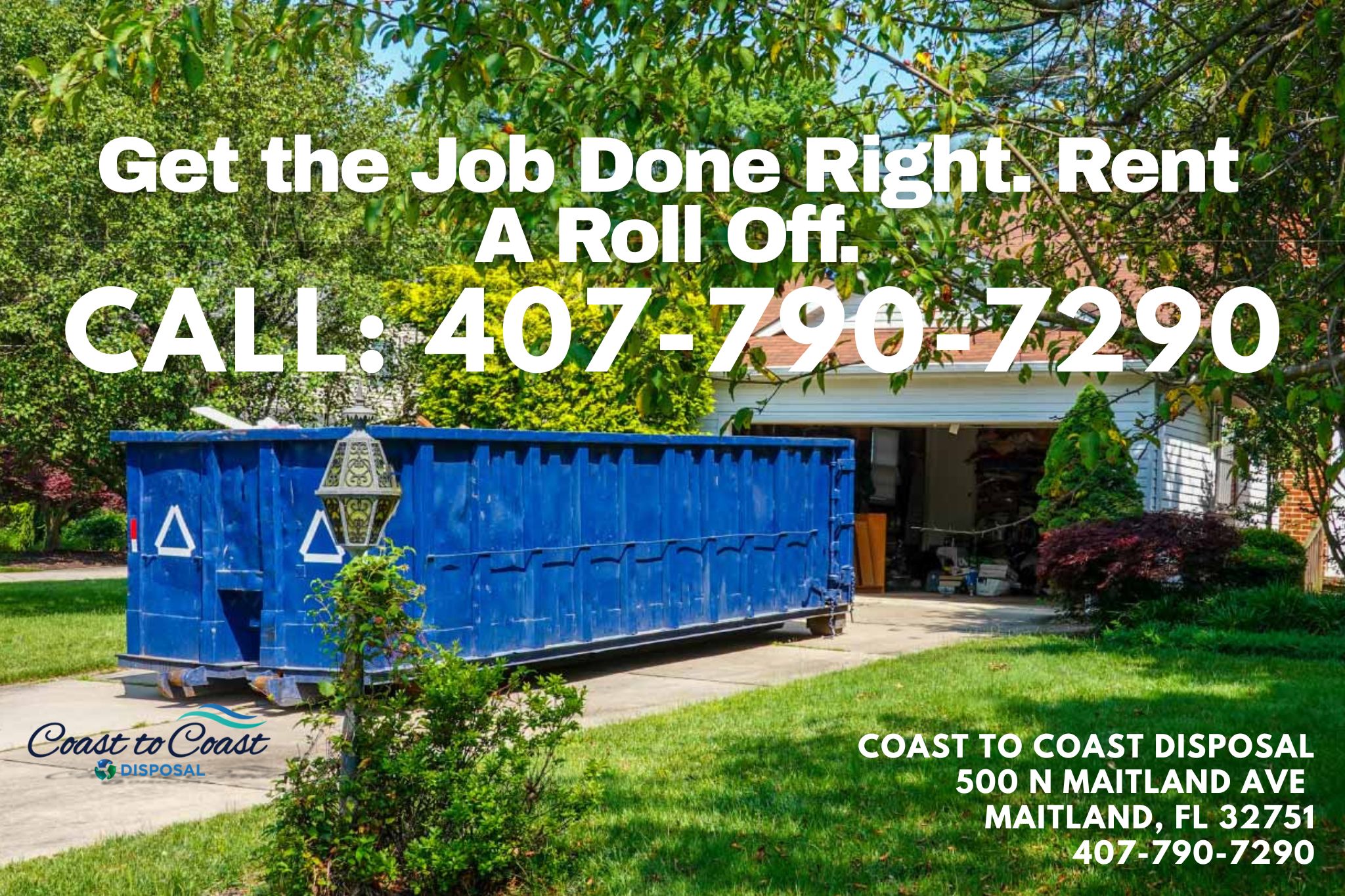
Expert Tips for Determining the Ideal Dumpster Size for Your Construction Debris Project
When embarking on a construction project, accurately estimating the dumpster size required for your debris is crucial to ensure efficiency and cost-effectiveness. Here are some expert tips to help you determine the right dumpster size:
- Assess the Scope of Your Project:
- Consider the size of the project, the type of materials involved, and the expected amount of debris generated.
- Factor in any demolition or renovation work that may produce additional waste.
- Understand Dumpster Capacities:
- Be aware that dumpster sizes are typically measured in cubic yards, with common options ranging from 10 to 40 cubic yards.
- Choose a dumpster size that can accommodate all your debris without exceeding weight limits.
- Opt for a Larger Size:
- If unsure, it is advisable to rent a slightly larger dumpster to avoid running out of space mid-project.
- Having extra room can also prevent overloading, which may incur additional fees or safety hazards.
- Consider Recycling Opportunities:
- Separate recyclable materials to reduce the amount of waste going into the dumpster.
- Some construction debris, such as wood, metal, or concrete, can often be recycled or reused.
Understanding Weight Limits and Capacity Requirements for Construction Debris Dumpsters
When embarking on a construction project, it is crucial to consider the weight limits and capacity requirements of dumpsters for handling construction debris effectively. Proper management of waste materials not only ensures a smooth project flow but also contributes to environmental sustainability.
- Construction Debris Classification:
- Understanding the different types of construction debris such as concrete, wood, metal, and drywall is essential for determining the appropriate dumpster size and weight capacity.
Metonyms such as ‘junk,’ ‘rubbish,’ or ‘scrap’ can refer to construction debris, each with its unique weight characteristics and space requirements. Antonyms like ‘treasure’ or ‘valuables’ contrast the nature of debris, highlighting the need for proper disposal planning to avoid overwhelming landfills.
Expert Tips:
- Consult with waste management professionals to assess your project’s specific debris disposal needs.
- Consider the density of materials – heavy debris like concrete requires a container with higher weight limits compared to lighter materials like drywall.
Capacity Calculations:
| Dumpster Size | Weight Limit (tons) | Volume Capacity (cubic yards) |
|---|---|---|
| 10 yards | 2 | 10 |
| 20 yards | 3 | 20 |
| 30 yards | 4 | 30 |
Factors to Consider When Selecting the Appropriate Roll Off Dumpster Size
When embarking on a construction project in Orlando, effectively managing and disposing of construction waste is crucial for a smooth and efficient operation. Choosing the ideal roll off dumpster size requires careful consideration of various factors to ensure that the waste is adequately accommodated while minimizing unnecessary costs and inefficiencies.
- Project Scope: Evaluate the scope of the construction project to estimate the volume and type of debris that will be generated. This will help determine the appropriate size of the dumpster needed.
- Waste Segregation: Sort the construction debris into categories such as metal, wood, concrete, and drywall. This will not only facilitate efficient disposal but also optimize the use of the dumpster space.
- Space Restrictions: Consider the available space on the construction site for placing the dumpster. Ensure that the selected size can fit within the designated area without causing obstruction or safety hazards.
Additionally, it is advisable to consult with waste management experts or dumpster rental providers who can offer guidance based on their experience and knowledge of local regulations. By strategically choosing the right dumpster size, construction projects in Orlando can streamline waste management processes, improve site safety, and enhance overall efficiency.

