
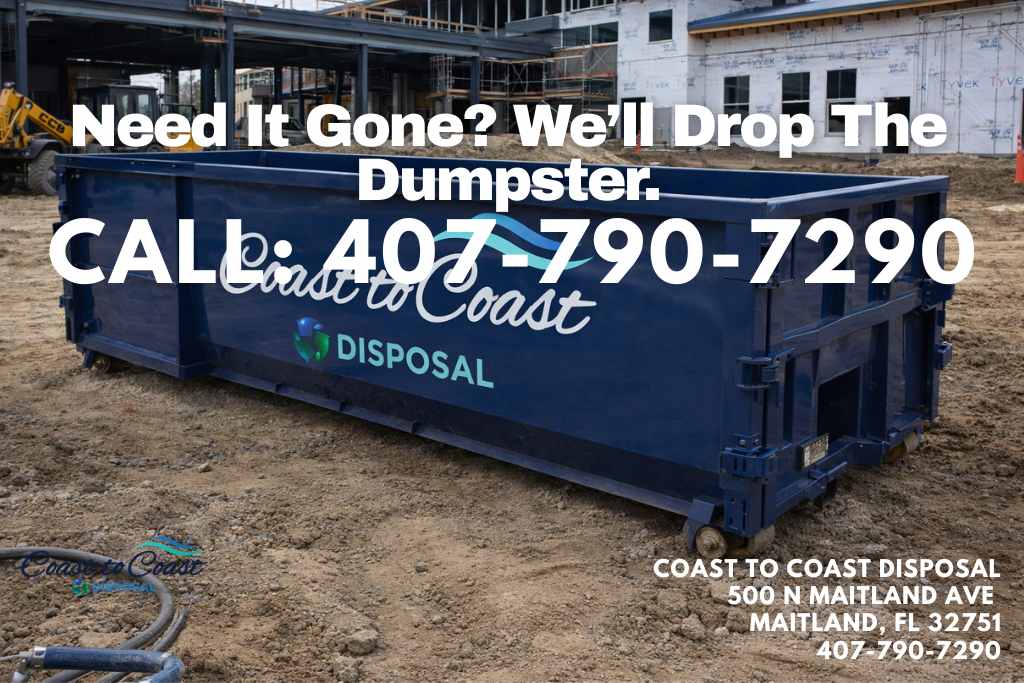
Choosing the right dumpster size is the single most important decision you will make when renting a roll-off container. Too small and you will need a costly swap or second delivery. Too large and you are paying for capacity you do not use. This guide helps you match the right container to your specific project.
Dumpster Sizes at a Glance
| Size | Dimensions (L × W × H) | Capacity | Truck Loads | Best For |
|---|---|---|---|---|
| 10 Yard | 12′ × 8′ × 3.5′ | 10 cubic yards | ~3 pickups | Small cleanouts, minor remodels |
| 20 Yard | 22′ × 8′ × 4.5′ | 20 cubic yards | ~6 pickups | Renovations, roofing, medium cleanouts |
| 30 Yard | 22′ × 8′ × 6′ | 30 cubic yards | ~9 pickups | Whole-home renovations, large demo |
| 40 Yard | 22′ × 8′ × 8′ | 40 cubic yards | ~12 pickups | New construction, commercial projects |
Dumpster Size by Project Type
Garage or Attic Cleanout → 10 Yard
A single-car garage cleanout or attic decluttering typically fills a 10 yard container. This size handles boxes, old furniture, seasonal items, and general accumulated household items. If you are cleaning out a two-car garage that has been accumulating items for years, consider stepping up to a 20 yard. You can see how Casselberry customers approach the same decision in this dumpster size guide for Casselberry, FL.
For more on this, see our guide to 10-Yard vs 30-Yard Dumpster.
Kitchen or Bathroom Remodel → 20 Yard
A standard kitchen or bathroom renovation generates cabinetry, countertops, tile, flooring, drywall, and fixtures. A 20 yard container handles most single-room remodels comfortably. If you are gutting both a kitchen and a bathroom simultaneously, the 30 yard provides a safer margin.
Single-Layer Roofing Tear-Off → 20 Yard
A single-layer asphalt shingle tear-off on a home up to approximately 1,500 square feet generates a significant volume of material. A 20 yard container provides enough volume for the shingles plus felt paper, nails, and flashing. For homes over 2,000 square feet or multi-layer tear-offs, upgrade to a 30 yard.
Whole-Home Renovation → 30 Yard
Gutting multiple rooms, replacing flooring throughout, or doing a comprehensive remodel generates substantial debris across many categories, drywall, framing, flooring, cabinetry, fixtures, and insulation. The 30 yard container provides the capacity to handle a full-house renovation without a mid-project swap.
Estate Cleanout or Large Declutter → 20 or 30 Yard
Estate cleanouts vary widely depending on the size of the home and how much has accumulated. A typical 3-bedroom home cleanout fits in a 20 yard. Larger homes or heavily packed properties may require a 30 yard or multiple loads.
New Home Construction → 30 or 40 Yard
New residential construction generates a large volume of waste per project. Most new home builds in Central Florida use 30 or 40 yard containers, with contractors often scheduling multiple hauls throughout the construction timeline.
Commercial Renovation or Demolition → 40 Yard
Commercial projects, office buildouts, retail renovations, and structural demolition, generate high-volume debris that requires the largest available container. The 40 yard is equivalent to approximately 12 pickup truck loads and is the standard choice for commercial contractors.
Weight Matters as Much as Volume
Dumpster rentals include both a volume capacity (cubic yards) and a weight allowance. Every rental includes a set weight allowance; exceeding it adds a per-ton charge. Confirm the exact allowance when you book. You can hit the weight limit before the container looks full, especially with heavy materials.
- Light materials (fill volume before weight): household junk, furniture, cardboard, insulation, plastic, carpet padding.
- Medium materials (balanced): drywall, lumber, roofing shingles, mixed construction debris.
- Heavy materials (hit weight before volume): concrete, brick, block, dirt, sod, gravel, ceramic tile.
For mixed loads with some heavy materials, your hauler can recommend a container size that balances volume and weight. For loads consisting entirely of heavy materials, a smaller container with a higher weight allowance is typically more cost-effective. For a full breakdown of what affects your total cost, see roll-off dumpster rental costs in Orange County, FL.
Driveway Space and Placement Considerations
Before ordering, make sure your placement area can accommodate the container. The 10 yard is the most compact at 12 feet long, roughly the length of a small SUV. The 20, 30, and 40 yard containers are all 22 feet long, with the height increasing from 4.5 to 8 feet. All containers are 8 feet wide.
Delivery trucks need clear, straight-line access to your placement area with adequate overhead clearance, watch for tree branches, power lines, and garage overhangs. If your driveway is tight, discuss placement options when you call. Drivers are experienced at working with constrained spaces.
What Does a Dumpster Rental Cost?
Pricing depends on container size, rental period, debris type, and delivery location. Typical ranges for Orlando area rentals are:
These are typical ranges that vary by project. Call (407) 790-7290 for an exact quote based on your specific debris type and location.
For more on this, see our guide to spring cleaning and decluttering with a residential dumpster.
Frequently Asked Questions
What is the most common dumpster size for a home renovation?
The 20 yard container is the most common choice for single-room remodels and mid-size renovations. It handles the debris from a kitchen or bathroom gut-out, a roofing tear-off on an average-sized home, or a medium estate cleanout. Step up to a 30 yard when gutting multiple rooms or working on a larger home.
Can I put heavy materials like concrete or dirt in any size dumpster?
You can include heavy materials in any container, but weight limits apply to every rental. Concrete, brick, dirt, and gravel are dense enough to exceed a container’s weight allowance before the box looks full. For large volumes of heavy material, a smaller container rented for a single load is often more cost-effective than a large container that hits its weight cap early. Confirm the weight allowance for your chosen size when you book.
Do I need a permit to place a dumpster in my driveway?
A permit is generally not required when the container sits entirely on private property such as a driveway. Placing it on a public street or right-of-way typically requires a permit from the local municipality. Requirements vary by city, so confirm with your local public works department before scheduling delivery. See dumpster rental costs and rules in Seminole County for a nearby example of how local requirements can differ.
How do I know if a dumpster will fit in my driveway?
Measure your driveway before you call. The 10 yard container is 12 feet long and 8 feet wide. The 20, 30, and 40 yard containers are all 22 feet long and 8 feet wide. Allow extra clearance at the open end for loading. Also check for overhead obstacles such as tree branches, power lines, and garage overhangs. If space is limited, describe the layout when you call and the driver can advise on the best approach.
References
- Asphalt Roofing Manufacturers Association. Residential Asphalt Roofing Manual. ARMA. https://www.asphaltroofing.org
- National Roofing Contractors Association. NRCA Roofing Manual: Steep-Slope Roof Systems. NRCA. https://www.nrca.net
- U.S. Environmental Protection Agency. Estimating Waste Generation Rates for Construction and Demolition Projects. EPA. https://www.epa.gov
Last Updated: February 2026.

